The Complete Handbook of Avocados
A professional's guide to selection, handling, ripening, and commercial use of avocados
★★★★★4.0 · 6 reviewsby Alumigogo Books
non-fiction
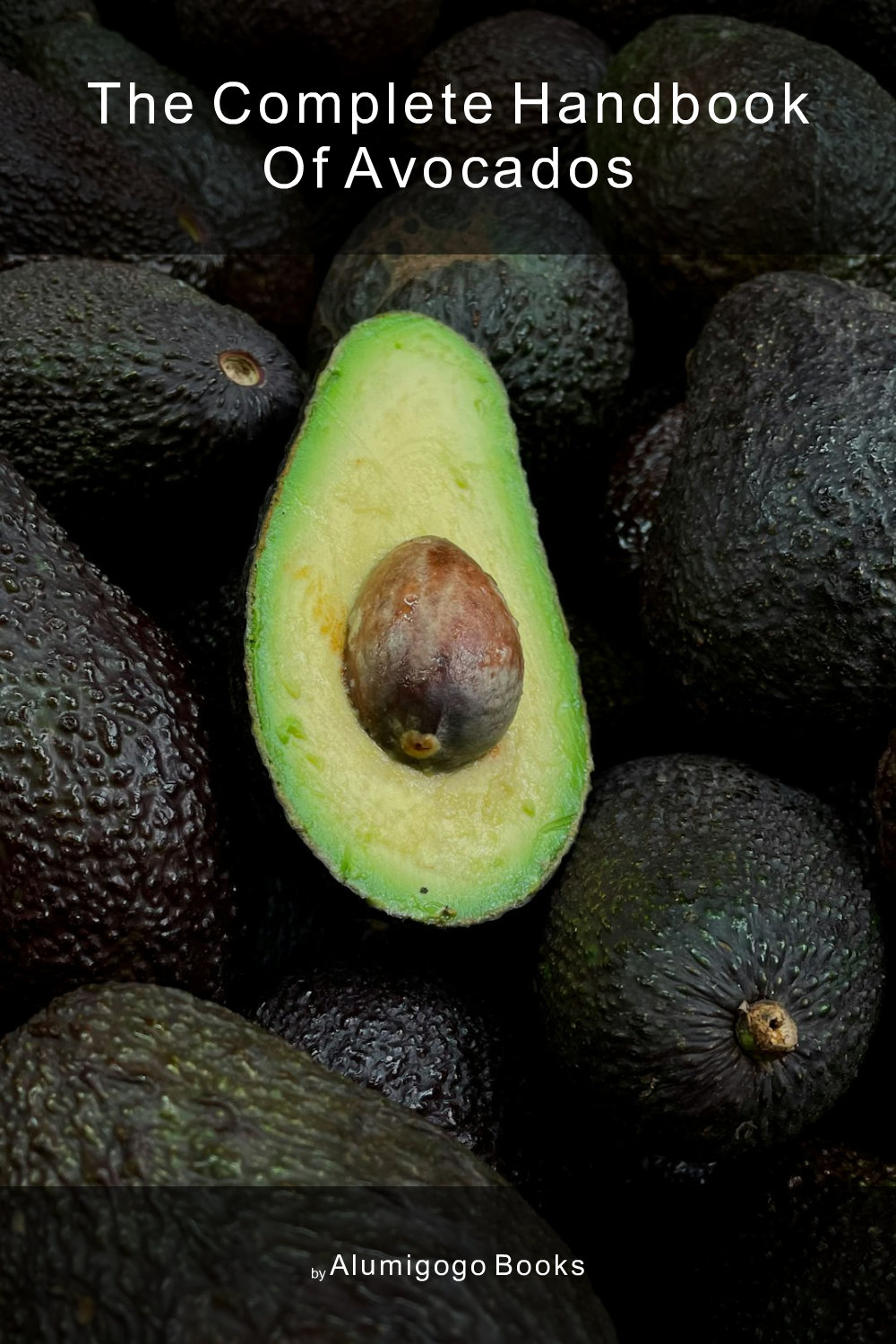
The Complete Handbook of Avocados
A professional's guide to selection, handling, ripening, and commercial use of avocados
★★★★★4.0 · 6 reviewsby Alumigogo Books
non-fiction
The field guide to avocados: varieties, grades, ripening, storage, and commercial handling.
🔒Secure checkout via Stripe
✓30-day money-back guarantee — not right for you? Full refund, no questions asked.
Fall Festival Sale
$9
About this book
Avocados are one of the most perishable and misunderstood items in the fresh produce supply chain. A fruit that looks perfect on the outside can be bruised, overripe, or internally damaged, and the difference between a profitable order and a loss often comes down to knowing which variety you are buying, how it was harvested, and how it should be handled after arrival. This handbook walks through the entire avocado lifecycle from orchard to table, focusing exclusively on practical, measurable criteria that a professional can use immediately.
The first half of the book covers botanical fundamentals, commercial varieties, grading standards, and selection criteria for different applications. You will learn the difference between the A-type and B-type flowering cycles, how to assess dry matter content in the field, and why the Hass variety dominates global trade while other varieties serve specific regional markets. The second half addresses hands-on operations: receiving and inspection protocols, forced-air ripening procedures, ethylene management, common defects and diseases, and how to troubleshoot problems like internal browning or uneven ripening.
The book also covers the business side of avocados, including supplier evaluation, pricing dynamics, and emerging market opportunities in value-added products like guacamole, avocado oil, and frozen pulp. It concludes with a forward look at variety development, sustainability certification, and supply chain technology. A detailed FAQ and glossary make this a quick-reference tool for staff training and daily operations.
Reader Reviews
Melissa Wright
★★★★★This is the first avocado reference I've found that actually talks about dry matter percentage like a real number and not a rumor. The chapter on varietal differences saved me from a bad order of early-season Lamb Hass. I dock one star only because I wish the ripening room schematics had included target ethylene ppm levels per day in a quick-reference table.
Jacob Hernandez
★★★★★Solid information, but the tone is dry and it's clearly written for large wholesale operations, not a small restaurant like mine. The grading standards section was useful, but I could have done without the full flowering cycle explanation. The troubleshooting chapter is the best part—it correctly diagnosed an issue I had with uneven ripening that I was blaming on my supplier.
Charles Rodriguez
★★★★★I used to rely on my produce vendor's word for what was coming into the market. Now I know which questions to ask about harvest dates and firmness readings. The glossary alone is worth the price for training new staff. My only complaint is the lack of photos—descriptions are clear, but I still want to see visual examples of the defects listed.
Gary Roberts
★★★★★A decent desk reference, but a lot of this information is already on the California Avocado Commission's website for free. I also caught a minor discrepancy between the chapter on grades and the USDA grade standard chart I have on my wall. Useful for standardizing training among multiple locations, but not the revolutionary text I was expecting.
Stephanie White
★★★★★I'm a produce manager at a high-volume store and I bought this on a whim. It paid for itself within a week. The receiving inspection checklist helped me reject a pallet that had significant chilling injury that I would have accepted and then had to discount heavily. The writing is straightforward, no community-moderated forum nonsense, just clear answers. Highly recommend for anyone dealing with volume.
Charles Lewis
★★★★★Finally, a reference that explains the Fuerte vs. Hass differences without romanticizing one over the other—just facts on oil content, skin thickness, and shelf life. I've been in produce for thirty years and I still picked up new details on ethylene management during forced-air ripening. The future trends chapter is also surprisingly grounded and doesn't use the word 'disrupt.' A necessary addition to any serious operator's shelf.