The Complete Handbook of Coffee & Tea Saucers
A practical reference for buyers, sellers, and service professionals covering materials, dimensions, production methods, quality assessment, and commercial use of coffee and tea saucers.
★★★★★4.0 · 8 reviewsby Alumigogo Books
non-fiction
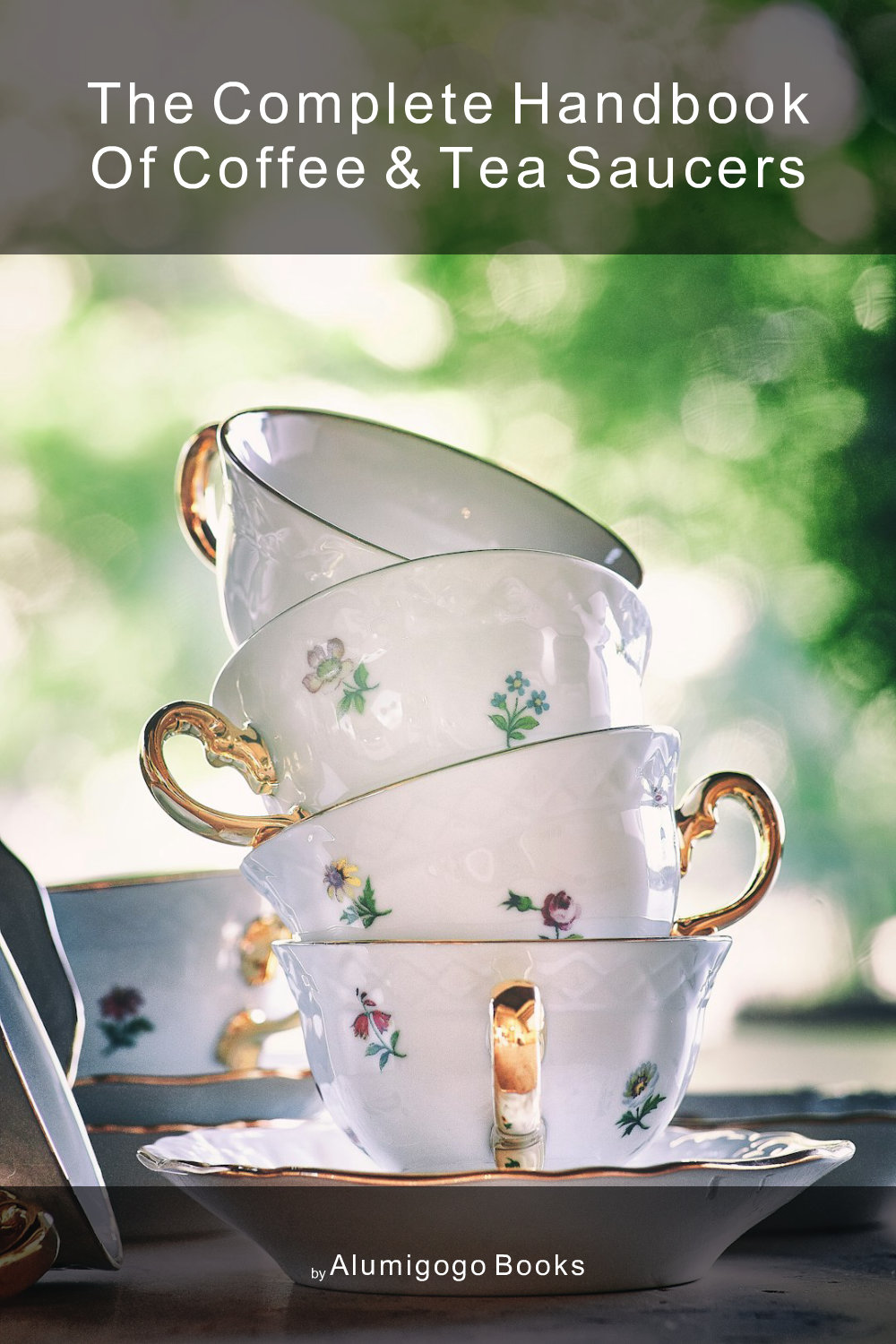
The Complete Handbook of Coffee & Tea Saucers
A practical reference for buyers, sellers, and service professionals covering materials, dimensions, production methods, quality assessment, and commercial use of coffee and tea saucers.
★★★★★4.0 · 8 reviewsby Alumigogo Books
non-fiction
Materials, dimensions, grading, sourcing, and commercial maintenance of coffee and tea saucers - the missing technical handbook for buyers and sellers.
🔒Secure checkout via Stripe
✓30-day money-back guarantee — not right for you? Full refund, no questions asked.
Fall Festival Sale
$9
About this book
Coffee and tea saucers look simple, but specifying them correctly requires knowledge of clay bodies, glaze fit, fired shrinkage, rim thickness tolerances, foot ring design, and packaging standards. This handbook gives you all of it. You will learn how to read a specification sheet, how to compare products across manufacturers, how to grade seconds and quality rejects, and how to build a buying strategy for cafés, hotels, or a resale business.
The book covers the full commercial lifecycle: materials science behind porcelain, stoneware, bone china, melamine, and paper; production methods including slip casting, jiggering, and pressing; dimensional standards that actually affect stacking and rack compatibility; glaze durability and thermal shock testing; packaging and freight considerations; and step-by-step guidance for building a saucer-focused business. An entire chapter covers maintenance, including how to handle chipping, crazing, dishwasher chemical damage, and thermal shock failures.
Written for professionals rather than consumers, this is the first reference devoted entirely to saucers. It is usable as a training manual, a procurement guide, and a technical reference on the shop floor or in the warehouse. No filler, no lifestyle photography - only measurable, actionable specifications you can apply today when evaluating products or negotiating with suppliers.
Reader Reviews
James White
★★★★★I've been buying tableware for a restaurant group for twelve years and this is the first book that actually tells you what to look for on a spec sheet. The chapter on materials alone saved me from a bad bone china order. The glossary is worth the price too - I've been calling things by the wrong names for years.
Paul King
★★★★★Solid reference, and I've already used the grading information when receiving a shipment of seconds. The troubleshooting section on crazing was genuinely helpful. It's a bit dry in places, but that's fine for what it is. I would have liked more photos - there are diagrams and tables, but no real product photography, which is a shame for a visual topic.
Margaret Hall
★★★★★I bought this thinking it would help me as a home collector, but it's really written for people in the food service industry. The business chapter takes up space that I was hoping would go to more detail on vintage patterns and value. If you run a café or a resale business, this is probably great. Not what I needed.
Amy Nguyen
★★★★★As a reseller of commercial tableware, I've been working without a proper technical reference for years. The packaging and freight section in the buying chapter is worth the purchase alone - I had no idea that pallet patterns affected my rates that much. The maintenance chapter has clear chemical cautions that the manufacturers don't bother to warn you about.
Andrew Nguyen
★★★★★This is the handbook we should have had during our café renovation. We bought one thousand saucers from three different suppliers and the dimensional tolerance tables are the only reason we caught a compatibility issue before opening. The comparison of fired shrinkage across clay bodies is something I haven't seen in any supplier catalog.
Ryan Lewis
★★★★★It's competent, but I found the chapter on brands and suppliers too generic. I expected specific names and contact strategies, and instead got categories and descriptions. Also, the future trends chapter felt a little speculative. The core technical chapters are strong, but the business parts left me wanting more.
Jacob Taylor
★★★★★Usable content if you're in procurement, but I think the book could have been a long article rather than a full volume. There's some repetition between the types chapter and the maintenance chapter. Still, I'll keep it on my desk because where else are you going to find a comparison of foot ring design and its effect on cup stability?
Daniel Hill
★★★★★Absolutely essential for what we do. We rent serviceware for events and this book gave me a checklist for inspecting returned inventory that has already cut down on disputes with clients. The chapter on receiving inspection is exactly what a small operation needs. I've bought copies for our two warehouse managers.