The Complete Handbook of Corn
A practical reference for growers, buyers, processors, and serious cooks
★★★★★4.0 · 8 reviewsby Alumigogo Books
non-fiction
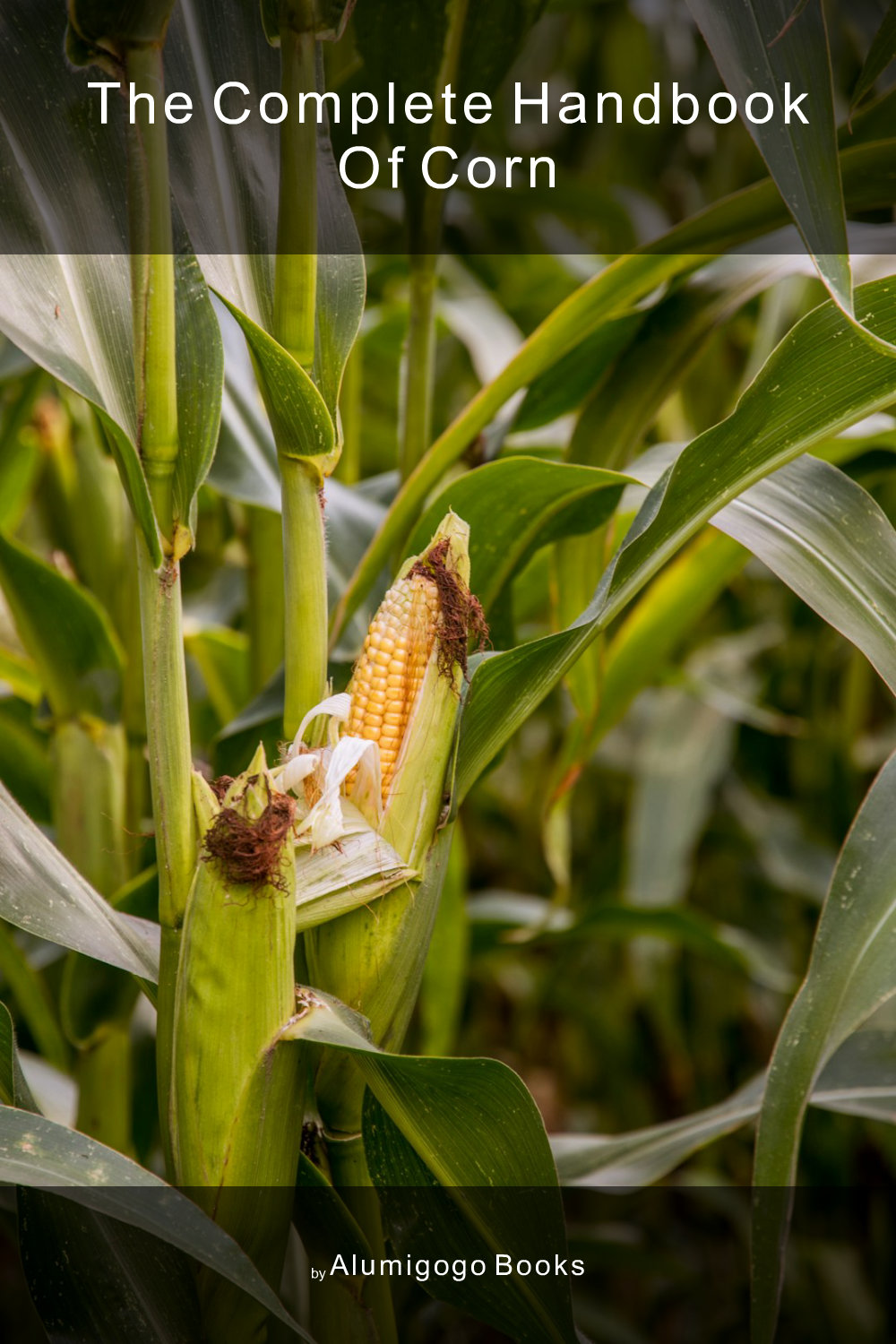
The Complete Handbook of Corn
A practical reference for growers, buyers, processors, and serious cooks
★★★★★4.0 · 8 reviewsby Alumigogo Books
non-fiction
From kernel biology to market specs, storage, and business models. The complete practical guide to corn.
🔒Secure checkout via Stripe
✓30-day money-back guarantee — not right for you? Full refund, no questions asked.
Fall Festival Sale
$9
About this book
Corn is not a single product but a family of distinct crops, each with its own handling requirements and market value. This handbook provides the professional or serious hobbyist with the exact knowledge needed to distinguish between varieties, negotiate with suppliers, and manage the product through its entire lifecycle. You'll learn to read a grade certificate, calculate the economic impact of moisture content, and understand why the same ear of corn can be a premium product in one context and a feed-grade commodity in another.
Structured into nine focused chapters, the book walks you from the botanical and genetic basics of the plant, through to detailed type-and-grade specifications, selection criteria, and day-to-day handling procedures. Troubleshooting chapters address real-world failures like poor pollination, heat stress, and post-harvest sugar loss. A dedicated business chapter outlines concrete opportunities in wholesale trading, specialty corn production, and value-added processing, including a realistic assessment of margins and entry barriers.
The final sections look ahead to emerging trends such as gene editing, controlled-environment agriculture, and direct-to-consumer marketing models. With a detailed FAQ and a comprehensive glossary, this handbook is designed for frequent reference, not a one-time read. It is the indispensable operational manual for anyone who needs corn to perform to a specific standard, on a specific date, for a specific price.
Reader Reviews
Amy Miller
★★★★★I'm a produce manager at a mid-sized grocery chain, and I picked this up hoping for a better handle on sweet corn storage. The chapter on understanding how sugar converts to starch after picking was useful, and I've already tweaked our cold chain procedure with some success. That said, I found the business chapter a bit too focused on large-scale growers and processors, not retail. It felt like a few sections were written for someone with a lot more acreage than I have. Still, the troubleshooting table on ear defects is worth the price.
Matthew Adams
★★★★★Finally, a reference that treats corn like an engineering problem rather than a miracle of nature. I'm a small-scale farmer and we do both fresh market and some field corn for livestock. The moisture content tables and the test weight explanation alone have changed how I evaluate a contract. I read the chapter on types and specifications three times. It's dense but it's all real, usable data. I've got a page full of margins written in it. This is going to be the first book I hand to my new farm manager.
Linda Hernandez
★★★★★I bought this for my husband who runs a popcorn business, but honestly, I've ended up reading most of it myself. The breakdown of popcorn types and the moisture levels for popping was something he's been trying to describe to me for years, and now I can finally see it in a clear chart. Very well organized. The glossary at the back is a lifesaver when we talk to our processor. This is the kind of book you keep on the office shelf, not the coffee table.
Edward King
★★★★★As a chef who buys a lot of specialty corn for heirloom coarse grits, I was looking for a text on flavor and texture differences. This book gave me that, but it gave me a lot more. The specs on what to look for when ordering polenta corn versus sweet corn are extremely precise. My only gripe is that I wish there were more sections on culinary uses and flavor profiles. It leans heavily into the agricultural side, which is fine if you're a farmer. But I'm not, so I had to skim a few of the field-tending chapters.
David Carter
★★★★★The content is solid and I learned a lot about the actual genetics and growth stages of corn. I particularly appreciated the section on how to identify different types just by looking at the kernel. However, I feel it's missing a section on organic versus conventional growing practices and how that affects the finished product. As a consumer, that's a major spec for me. The book gives a brief nod to it but doesn't really dig in. It's a good book, just not the complete picture I was hoping for.
Jason Smith
★★★★★Three stars because the book is accurate and professional, but I struggled with the 'how and why' details in the first chapter. I'm a buyer for a packing house, so I'm more concerned with the logistics and the specs than the botany. That first chapter was a slog. However, the chapters on buying and the FAQs were extremely practical. I will keep it for consultation on grading standards, which are difficult to understand. It's a good reference to have, but you have to be willing to dig for the parts you need.
George Brown
★★★★★This is the handbook I wish I had ten years ago. I stumbled into corn trading, and this book has filled in the gaps of my knowledge comprehensively. The explanation of the different grades and what those tolerances actually mean in a truckload is invaluable. I've been in this business for two decades and the section on future trends regarding gene editing and controlled environment agriculture is the most succinct summary of those issues I have read. If you are buying or selling corn, this belongs on your desk.
Edward Gonzalez
★★★★★Solid, practical book that does exactly what it says. I'm a commercial foodservice consultant and I need to understand the supply chain for my clients who want to use fresh corn ingredients. This book gave me the vocabulary to talk to a farmer about moisture content and a processor about kernel size specs. I docked one star only because the chapter on future trends got a bit broad and academic for my taste; I'm a done-in-one-sitting reader. Still, it's a far better resource than anything else I've found.