The Complete Handbook of Dice Sets & Games
A Practical Reference for Professionals, Businesses, and Serious Hobbyists
★★★★★3.6 · 5 reviewsby Alumigogo Books
non-fiction
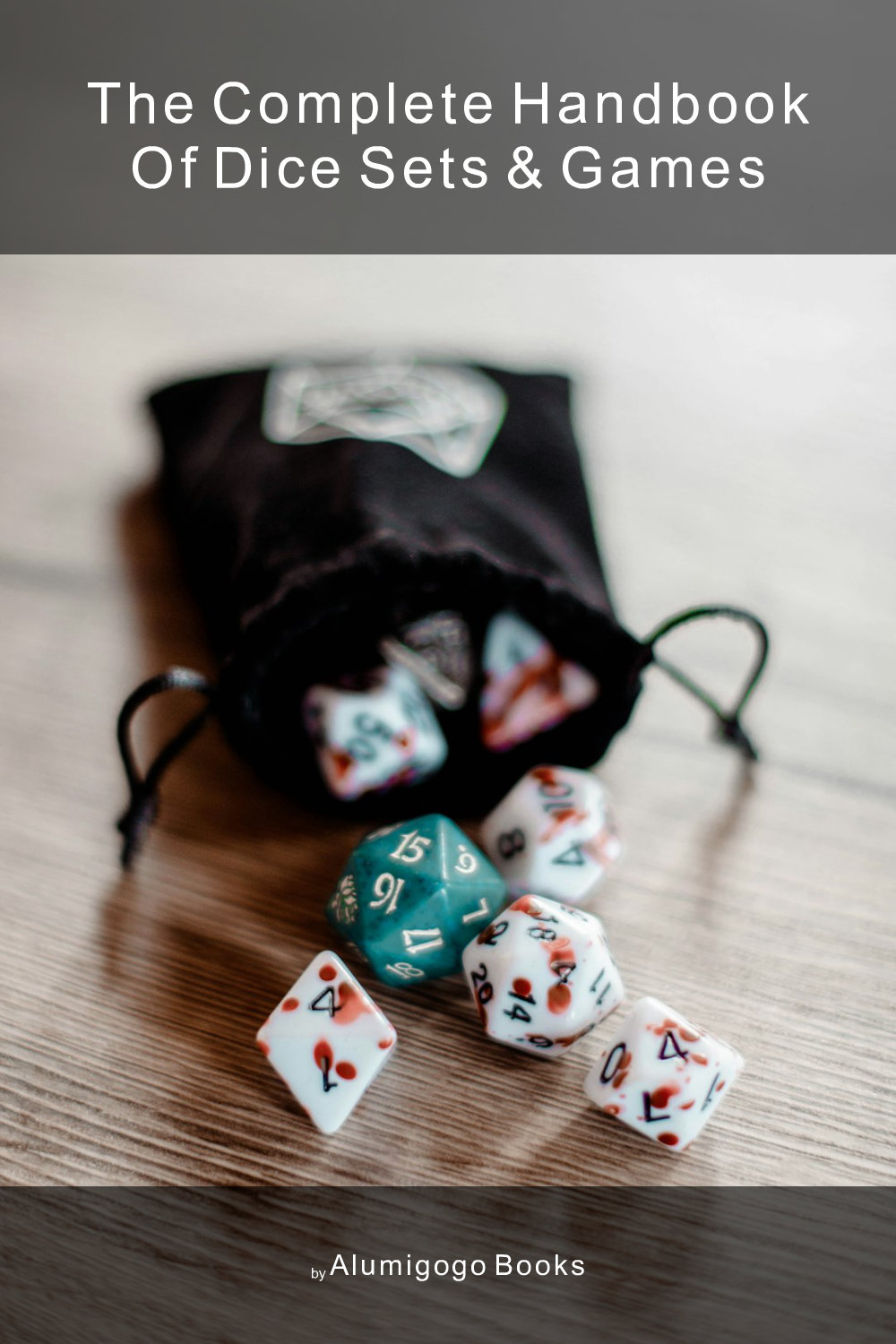
The Complete Handbook of Dice Sets & Games
A Practical Reference for Professionals, Businesses, and Serious Hobbyists
★★★★★3.6 · 5 reviewsby Alumigogo Books
non-fiction
The practical reference for specifying, buying, verifying, and selling dice sets and games, written for professionals and serious enthusiasts.
🔒Secure checkout via Stripe
✓30-day money-back guarantee — not right for you? Full refund, no questions asked.
Fall Festival Sale
$9
About this book
This handbook is built for the person who needs to know exactly what they're buying and how to make it work. It covers the full lifecycle of dice sets and games: from the physical specifications of different polymer and resin formulations, to the legal distinctions between casino-grade and consumer-grade dice, to the procedures for checking balance and fairness before a tournament. It includes the tolerances that matter, the test equipment you actually need, and the common failure modes that ruin a game night or a professional event.
Reader Reviews
Ashley Ramirez
★★★★★It's a solid reference and I've used it to verify a few suppliers' claims. The chapter on specifications is the most useful part. But I was hoping for more depth on the actual manufacturing process and how to specifically inspect for the subtle defects that can appear in high-volume AC casting. It mentions them, but doesn't show you what to look for in a way that's immediately actionable without prior experience. It's a good book to have on the shelf, but I expected a bit more from the 'complete' title.
Rebecca Perez
★★★★★I'm a game designer and I've been getting by on guesswork and forum advice for years. This handbook gave me the actual vocabulary to talk to my manufacturer. I finally understand why my prototypes felt slightly off and how to specify a level of balance that matters for the game I'm designing. The glossary alone is worth it. I knocked off a star because I wish there were a few more real-world photos of the inspection processes described.
Eric Thompson
★★★★★Bought this for our event company because we supply custom dice for a big annual convention. The chapter on choosing the right dice for your specific situation was exactly what I needed, and it directly helped me decide between a cheaper bulk order and a better long-term supplier agreement. The maintenance schedule is straightforward and not preachy. It's written like a manual, not a blog post. I've actually referenced it in meetings with my purchasing team.
Ryan White
★★★★★It covers the basics well enough, but as a long-time collector with a fairly deep knowledge, I found a lot of it to be entry-level material. The business opportunities chapter felt a bit generic and wasn't as niche as I'd have hoped. The one thing I was really looking for was a serious discussion on the vintage dice market, which gets about a paragraph. It's a decent general reference, but if you already know your stuff, you'll likely skim a lot of the early chapters.
Christopher Hall
★★★★★Finally, a book that actually explains the legal distinctions between casino-grade and retail dice without getting bogged down in jargon. The standards are laid out clearly, and the sections on verification are practical. I run a professional gaming club and the procedures here have already improved how we acquire and inspect our equipment. The prose is dry, which is a compliment here—it's no-nonsense and gets to the point. It's earned its spot on my reference shelf.