The Complete Handbook of Flour
A practical reference for bakers, food manufacturers, and serious home bakers who need to understand flour composition, selection, and application
★★★★★3.5 · 2 reviewsby Alumigogo Books
non-fiction
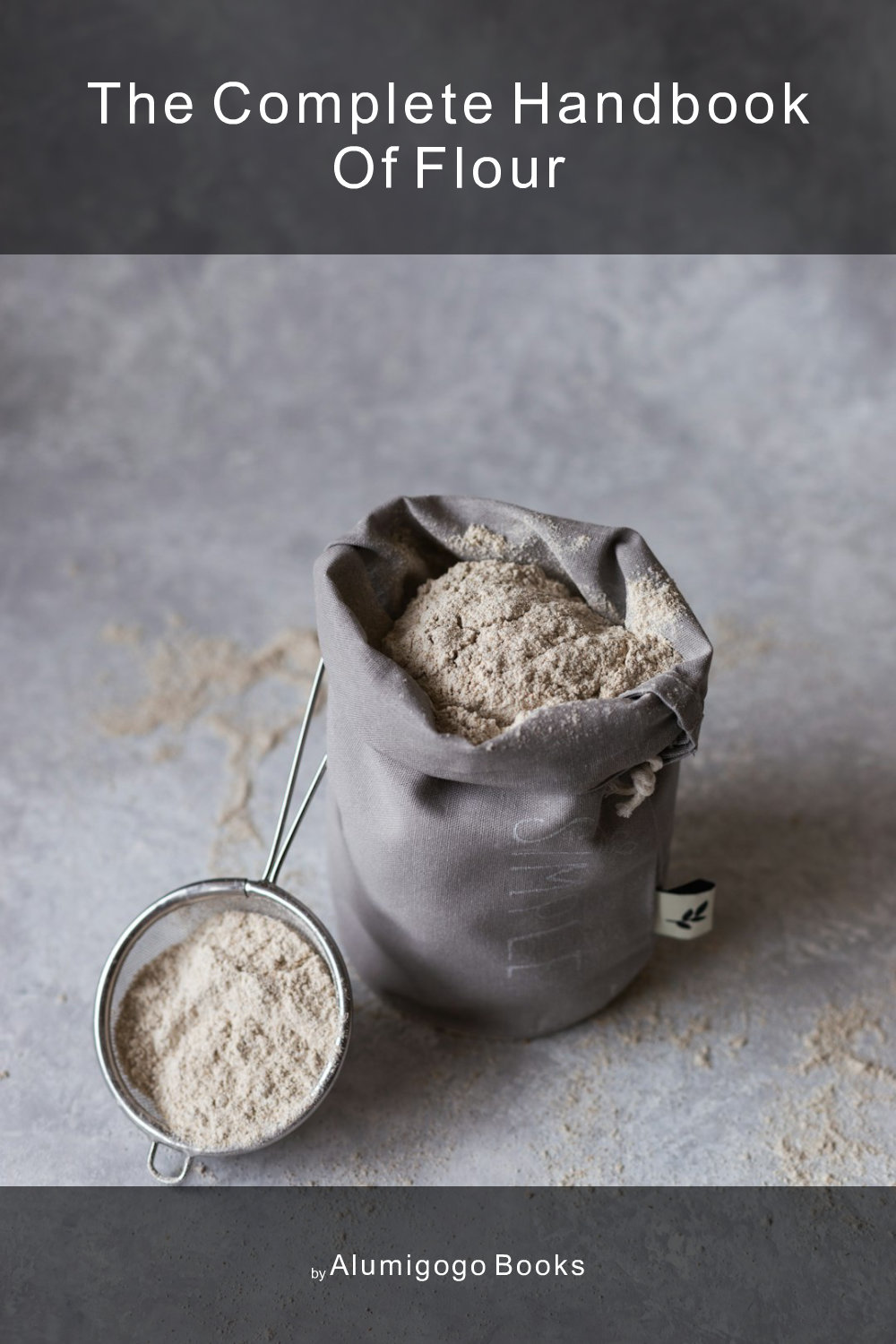
The Complete Handbook of Flour
A practical reference for bakers, food manufacturers, and serious home bakers who need to understand flour composition, selection, and application
★★★★★3.5 · 2 reviewsby Alumigogo Books
non-fiction
The practical reference for understanding, choosing, and using flour correctly in professional and serious hobbyist settings.
🔒Secure checkout via Stripe
✓30-day money-back guarantee — not right for you? Full refund, no questions asked.
Fall Festival Sale
$9
About this book
Flour is a raw material that demands precision. Whether you're formulating a product, sourcing for a commercial kitchen, or troubleshooting dough that won't rise correctly, you need to understand what flour actually is—not marketing copy, but the mechanics of protein networks, starch gelatinization, enzyme activity, and how flour behaves under real-world conditions.
This handbook is built for professionals, businesses, and serious hobbyists who need usable knowledge. It covers what flour is and why its properties matter; how to read specifications and choose the right product for your specific application; how to set it up correctly in your workflow; what maintenance and troubleshooting looks like in practice; where to source it and what business opportunities exist; and where the category is heading. Every chapter is grounded in concrete examples and real decisions you'll actually face.
If you're buying flour by price alone, or if you've never understood what "protein content" or "ash" actually means for your results, this book will change how you work.
Reader Reviews
Donald Young
★★★★★I found this handbook genuinely useful—the breakdown of protein content and how it affects gluten development actually made sense when applied to my own bread formula. The spec sheet walkthrough in Chapter 2 is solid. That said, the troubleshooting section felt a bit thin. I had a hydration problem that wasn't quite covered, and I ended up calling my supplier anyway. Still, worth having on the shelf for reference.
Donna Thompson
★★★★★This is exactly what was missing from the usual baking blogs and mill catalogs. The first chapter alone—understanding what flour actually does molecularly and why it matters practically—clarified things I'd been confused about for years. The framework in Chapter 3 for choosing flour is logical and saved me time when I was reformulating a product. Highly useful for anyone sourcing flour seriously.