The Complete Handbook of Heat Detectors
A practical reference for professionals, businesses, and serious enthusiasts: selection, installation, maintenance, and business strategy for heat detection systems.
★★★★★3.6 · 8 reviewsby Alumigogo Books
non-fiction
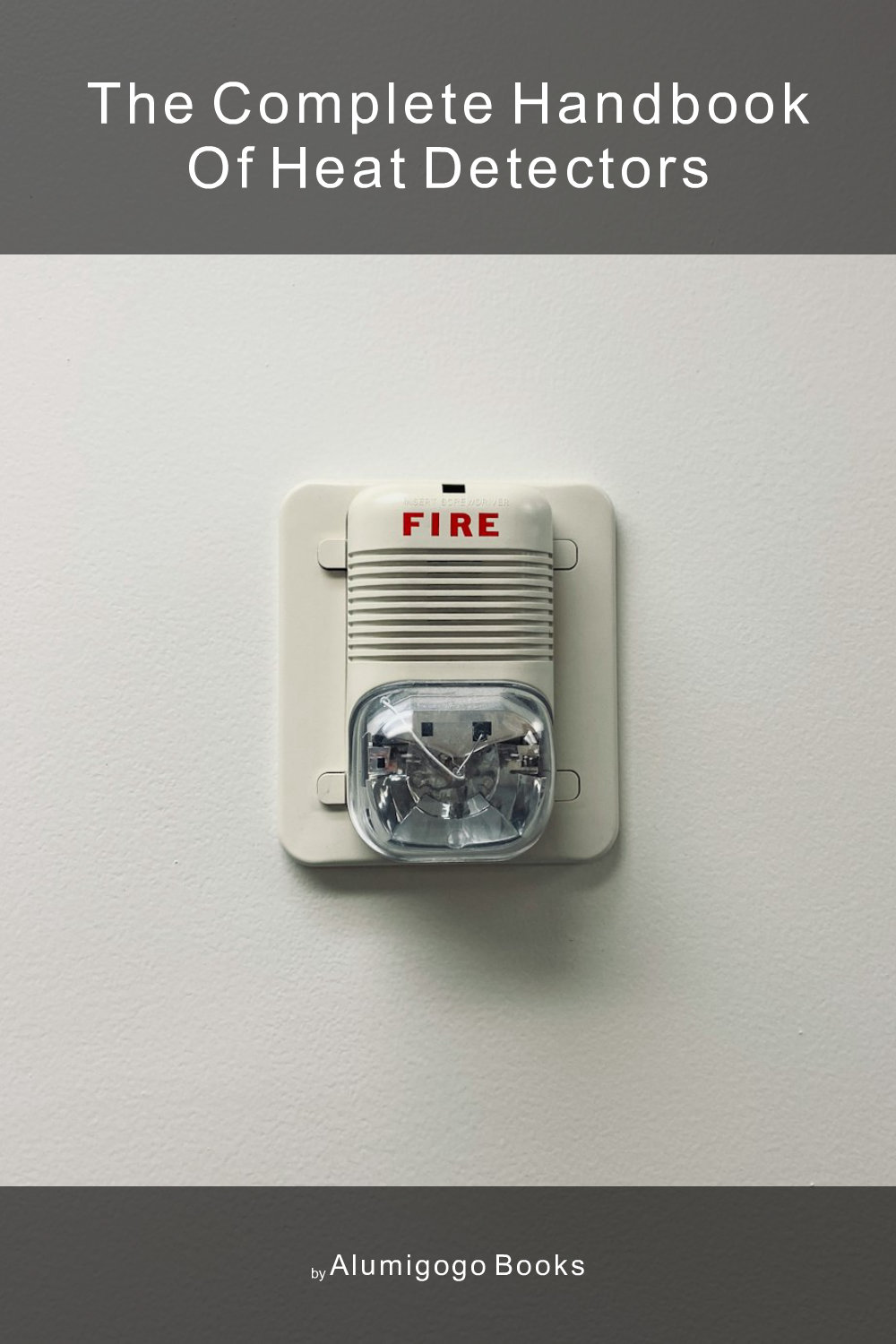
The Complete Handbook of Heat Detectors
A practical reference for professionals, businesses, and serious enthusiasts: selection, installation, maintenance, and business strategy for heat detection systems.
★★★★★3.6 · 8 reviewsby Alumigogo Books
non-fiction
From fixed-temperature to rate-of-rise, this is the field guide to heat detectors—how they work, how to choose, and how to profit.
🔒Secure checkout via Stripe
✓30-day money-back guarantee — not right for you? Full refund, no questions asked.
Fall Festival Sale
$9
About this book
Heat detectors are the workhorses of fire protection in environments where smoke detectors are unreliable—dusty workshops, commercial kitchens, boiler rooms, and unheated storage spaces. But selecting the right unit requires more than reading a spec sheet. This handbook walks you through the physics of heat transfer, the differences between fixed-temperature and rate-of-rise technologies, and the code requirements (NFPA 72, IBC, and regional equivalents) that govern their placement and spacing.
Beyond the basics, you'll find practical installation procedures, troubleshooting guides for common nuisance alarms and false negatives, and a full chapter on the business opportunities: reselling, servicing, system design consulting, and private labeling. Each chapter is grounded in real-world examples—from a grease fire in a restaurant exhaust hood to a cold-storage warehouse where a standard smoke detector would fail. Whether you're a contractor, a facility manager, or a serious hobbyist, this is the reference you'll keep on the workbench.
Reader Reviews
Jeffrey Walker
★★★★★I'm an electrical contractor and I bought this to brush up on the code changes. The Chapter 1 explanation of how rate-of-rise detectors actually work - the whole pneumatic vs. electronic thing - was clearer than anything I got in training. I docked a star because the brands chapter felt a bit thin on small-budget options, but the maintenance chapter alone was worth the price.
Stephanie Rodriguez
★★★★★Finally, a fire safety book that doesn't talk down to you or try to sell you something. I manage a warehouse with dusty storage areas where smoke detectors are useless, and the chapter on choosing between fixed-temperature and rate-of-rise was exactly what I needed. The business opportunities chapter gave me a realistic idea of what it would take to start a testing service on the side.
Anthony Mitchell
★★★★★Decent reference, but I found some of the installation advice a bit generic. The chapter on types was solid, especially the comparison of thermocouple vs. electromechanical sensors. But I was hoping for more detail on wireless standalone units for residential use - there was more commercial/industrial focus than I expected. Not a bad book, just not perfectly aimed at the hobbyist.
Michelle Adams
★★★★★I do insurance inspections and I needed a single source to refresh my knowledge on heat detector spacing and placement rules. This book is that source. The concrete examples - like the restaurant hood grease fire scenario - made the code requirements stick. Minor gripe: a few of the wiring diagrams would have helped in the installation chapter, but the text descriptions were clear enough.
Jeffrey Thomas
★★★★★It's a solid introduction. The physics of heat detection in Chapter 1 is well explained, and I appreciated the discussion of why not to use smoke detectors in certain environments. But I was hoping for more on troubleshooting - the section on false alarms covered the basics but didn't dive deep into weird sensor degradation behavior. Fine as a starting point, but it left me wanting more.
Anthony Anderson
★★★★★I bought this to understand whether I should replace my aging heat detectors at the office. The book is informative, but I felt the chapter on choosing the right detector could have been a decision tree or a comparison table instead of prose. That said, I learned a lot about rate-of-rise and why my old ones were set to the wrong temperature rating. Moderate recommend.
Cynthia Carter
★★★★★As a facilities manager for a school district, I deal with gyms, kitchens, and boiler rooms - all places where heat detectors matter. This handbook helped me adjust our maintenance schedule and convinced me to add a testing log. The glossary alone is worth having when dealing with contractors who think I don't know what 'ROR' means. Four stars because the future trends chapter was a bit speculative for my taste.
Michelle Smith
★★★★★The book is thorough, but I'd say it's more for someone looking to get into the business than a homeowner. The chapter on business opportunities was clearly written by someone who knows the industry, but I just wanted to replace my basement detector. The installation chapter was useful, though. It's a good book, just not what I expected given the title.