The Complete Handbook of Makeup Finishing Sprays
A Professional's Guide to Selection, Formulation, Application, and Troubleshooting
★★★★★3.8 · 8 reviewsby Alumigogo Books
non-fiction
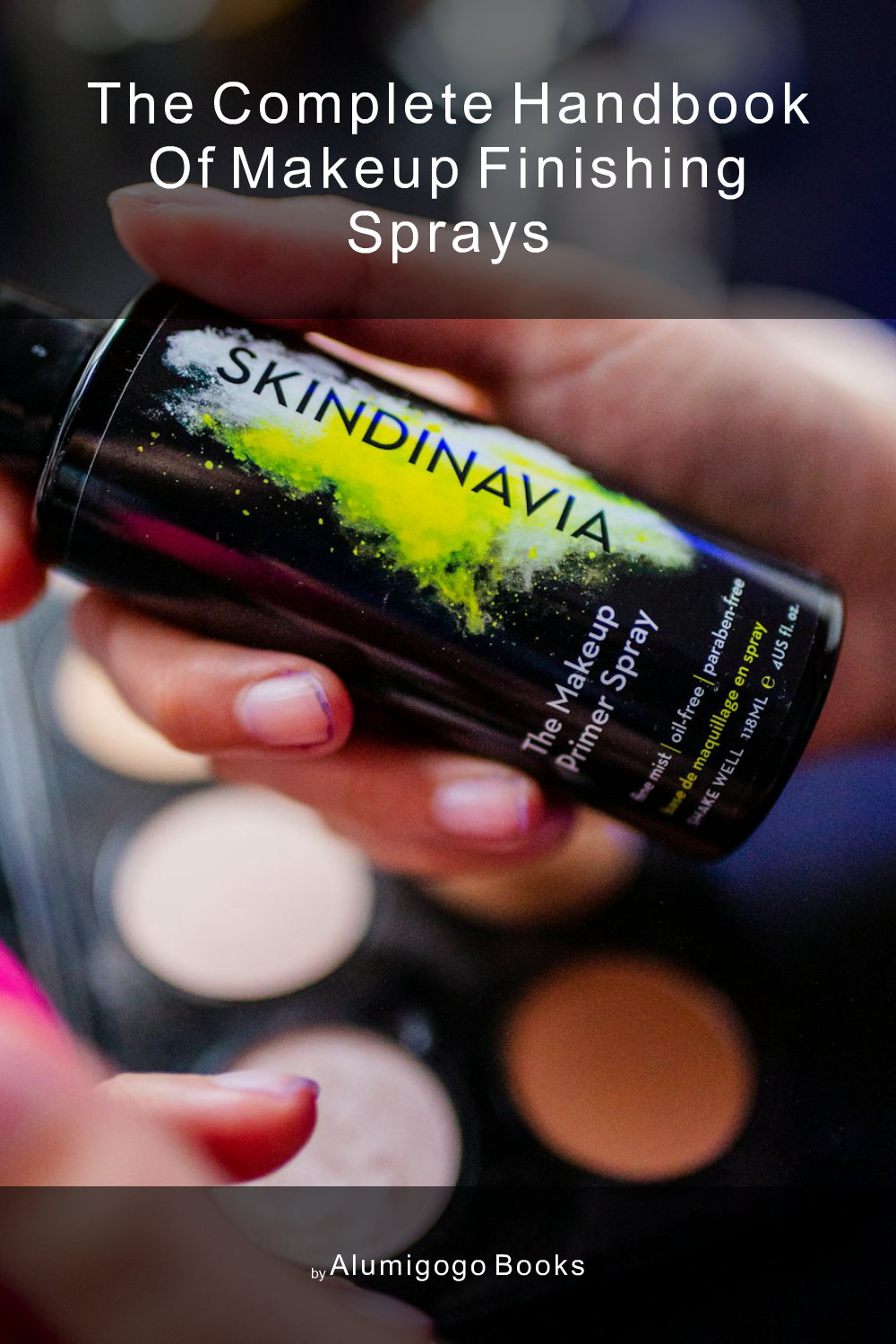
The Complete Handbook of Makeup Finishing Sprays
A Professional's Guide to Selection, Formulation, Application, and Troubleshooting
★★★★★3.8 · 8 reviewsby Alumigogo Books
non-fiction
A no-nonsense technical reference for choosing, using, and troubleshooting makeup finishing sprays. For professionals who need results, not slogans.
🔒Secure checkout via Stripe
✓30-day money-back guarantee — not right for you? Full refund, no questions asked.
Fall Festival Sale
$9
About this book
Makeup finishing sprays are a deceptively simple product: a liquid in an aerosol or pump bottle that is supposed to keep makeup in place. But the difference between a spray that performs for twelve hours and one that causes makeup to separate after two is rooted in specific ingredients, spray mechanics, and application technique. This handbook strips away the marketing language and provides the working knowledge that professional artists, retailers, and business owners need to navigate this category with precision.
The book covers the fundamental chemistry of film-forming polymers and solvent systems, the practical distinctions between aerosol, pump, and airless configurations, and the performance testing that actually matters in real working conditions. It offers structured guidance for selecting sprays for different skin types, climates, and use cases, and provides a detailed troubleshooting methodology for common failures like flaking, beading, or powdery residue. Each chapter is written for a reader who intends to act on the information, not just read it.
Beyond the basics, the handbook addresses the business side of finishing sprays: who the major manufacturers and private-label suppliers are, how they position themselves across budget tiers, and what realistic opportunities exist for reselling, licensing, or providing specialized consulting services. It also looks at where the category is heading in terms of regulation, material innovation, and market trends, and points the reader toward credible expert resources for further study. This is a reference to keep on the shelf, not a magazine to flip through once.
Reader Reviews
David Carter
★★★★★I got this hoping for a deep dive on formulation, and the first chapter does deliver on the polymer chemistry and solvent ratios. My reservation is that a lot of the practical info in later chapters, like the maintenance and troubleshooting stuff, is already covered in basic manufacturer FAQs, just with more words. It's a solid reference for a studio library, but I'm not sure it taught me a ton I couldn't find by digging through old forum posts.
Amy Campbell
★★★★★This is the book I wish I'd had when I started doing bridal makeup professionally. Chapter 4 alone, the part about adjusting spray distance based on the humidity of the venue, saved me on a beach wedding where my usual setting spray always melts. It's not a fun read, it's a working document. I keep it in my kit with sticky notes on the troubleshooting charts. It paid for itself the first month.
Rebecca Smith
★★★★★As a hobbyist, I found the first half of the book really interesting, especially the breakdown of why my spray beaded on my skin. But the business opportunities chapter felt out of place for me, and it seemed like the author was stretching to fill space on that topic. The writing is clear and not fluffy, which I appreciate. I just wish it was either a smaller book or the business stuff was a bit more realistic.
Brian Smith
★★★★★I work at a cosmetics retailer and we constantly get returns from people who bought a finishing spray that didn't work for them. This book gave me a framework to actually explain why - the difference between a water-based spray and a silicone-based one, or why someone with oily skin needs a different polymer than someone with dry skin. I've already recommended the troubleshooting chapter to a few customers. My only gripe is that some of the specific brand examples will be outdated in a few years.
David Sanchez
★★★★★The review of aerosol versus pump mechanics in chapter two was worth the cost of the book alone. I manage a theater costume shop and we've always just bought whatever setting spray was cheapest. Now I understand why we had so many problems with clogged nozzles on your hot, dusty stage. The testing protocol in chapter three is now part of our purchasing checklist. It's a bit dry of a read, but it's a reference, not a beach novel.
Thomas Robinson
★★★★★I wanted to like this more, but the tone is so deliberately dry that it makes the subject feel more complicated than it is. The technical bits are accurate, but I found the glossary and FAQ at the back were actually more useful than the long chapters on Choosing and Installation. I feel like I got the gist from the back half of the book and skimmed the rest. It's fine, but it's not the authoritative bible it claims to be.
Jessica Lee
★★★★★The book is thorough and I get the sense the author has actually used these products on real people, not just read about them. The chapter on understanding what a film former actually does was finally the explanation I couldn't get from YouTube. That said, it gets pretty deep into the weeds on chemistry for a working makeup artist. I also got the 5-star review, great, but I didn't want a business degree in biopolymers, I just wanted to stop my bronzer from moving.
Jason Johnson
★★★★★Finally, a book that treats finishing spray as a serious tool. The detailed comparison of pressurization systems and particle sizes has helped me spec out the exact spray I need for the intense heat and prolonged wear of movie shoots. Chapter 6 on suppliers showed me how to qualify a private-label manufacturer properly, which is something I'm actually pursuing now for my own kit line. It's specific, it's practical, and it respects the reader's intelligence. I keep it in my go-bag.