The Complete Handbook of Medical Instruments
A practical reference for clinicians, technicians, buyers, and serious users on the selection, operation, and care of diagnostic and therapeutic devices
★★★★★3.7 · 6 reviewsby Alumigogo Books
non-fiction
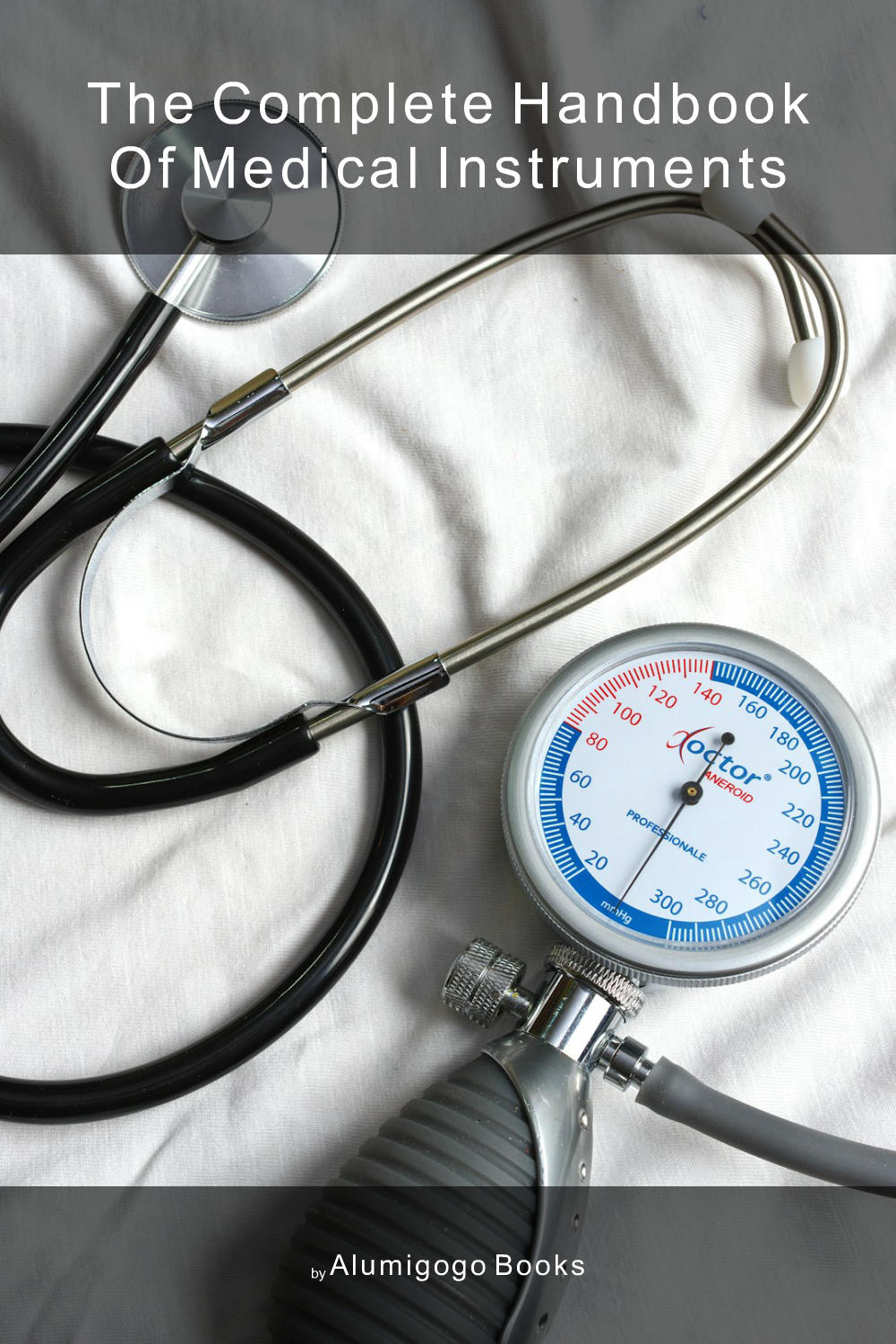
The Complete Handbook of Medical Instruments
A practical reference for clinicians, technicians, buyers, and serious users on the selection, operation, and care of diagnostic and therapeutic devices
★★★★★3.7 · 6 reviewsby Alumigogo Books
non-fiction
From stethoscopes to ventilators: how to choose, operate, and profit from medical instruments.
🔒Secure checkout via Stripe
✓30-day money-back guarantee — not right for you? Full refund, no questions asked.
Fall Festival Sale
$9
About this book
Medical instruments are not generic hardware. They operate under stringent regulatory oversight, demand uncompromising accuracy, and represent a substantial capital investment. Yet, most information available to buyers and operators is either high-level sales fluff or the impenetrable fine print of regulatory paperwork. This handbook bridges that gap. It provides a grounded, practical understanding of the core technology—sensors, signal processing, and safety systems—how to compare devices on real performance metrics, and how to handle installation, validation, and daily operation without depending on the vendor's service team.
Reader Reviews
Brian Perez
★★★★★It's a solid reference, but I was expecting more depth in chapter 3 on the actual purchasing process. The chapter on maintenance was useful, but I found myself wanting more specific part numbers and model comparisons. The glossary at the end is honestly worth the price alone, but I don't think this will replace the manufacturer manuals on my shelf. It's a good starting point, though, for someone entering the field.
George Walker
★★★★★Finally, a book that explains why the lead-off detection is more important than the price tag. I appreciated the no-nonsense tone and the breakdown of signal-to-noise ratios in diagnostic gear. As a purchaser for a dental clinic, I found the chapter on choosing instruments to be extremely practical. I knocked off one star because I felt the section on business opportunities was a bit too general and could have used more real-world cost-benefit examples for small clinics.
Kevin Hill
★★★★★I'm a retired systems engineer who does volunteer biomedical repair for local charities. This book demystified a lot of the jargon regarding impedance and safety classes. The troubleshooting chapter is really well organized, and the flowcharts were genuinely handy when I was fixing a refurbished infusion pump. It is dry in places, but I read this for information, not for a beach read. Very glad I bought it.
Elizabeth King
★★★★★Got it because I'm a biomedical engineering student. The chapter on types and specifications is excellent; I used the section on ECG bandwidth and the standards lists to study for an exam. The writing and the structure are a bit dense, and I do wish the book was updated with more information about the newer wireless devices. I think it's a great textbook supplement, just not comprehensive enough on its own.
Stephanie Lee
★★★★★As a solo practice owner trying to set up a small treatment room, this was a godsend. I was overwhelmed by the difference between a medical device and a consumer gadget, and this book showed me how to check for the right certifications and what those specs actually mean, like the NEMA rating for pumps. The practical checklists for installation and the explanation of electrical safety are the reasons I felt confident buying a large piece of diagnostic equipment and setting it up. This is the book I will lend to my head nurse.
Andrew King
★★★★★I rented out medical equipment for a few years and bought this book to understand what I was actually renting. It is a useful primer, but you cannot make a decision on a major capital purchase based on this alone. The section on the business side of things is a bit thin and does not discuss liability insurance enough, which is a huge issue. It’s fine for background knowledge, but I wouldn't call it a complete handbook, as the title suggests.