The Complete Handbook of Pork Rinds
A practical reference for buyers, sellers, and producers of fried and baked pork skin snacks
★★★★★4.0 · 6 reviewsby Alumigogo Books
non-fiction
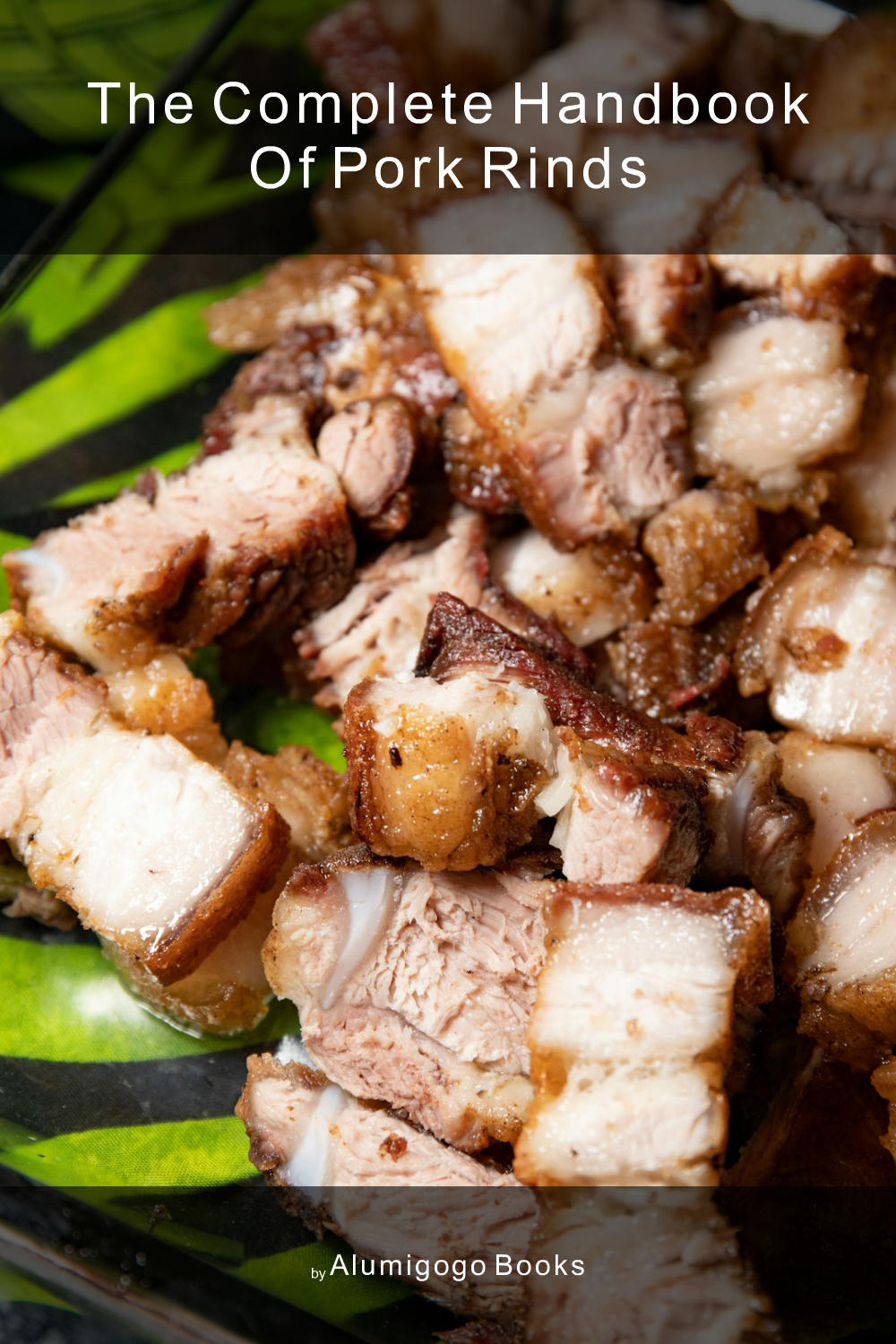
The Complete Handbook of Pork Rinds
A practical reference for buyers, sellers, and producers of fried and baked pork skin snacks
★★★★★4.0 · 6 reviewsby Alumigogo Books
non-fiction
The complete technical reference for specifying, purchasing, producing, and selling pork rinds. No fluff, no hype — just practical knowledge.
🔒Secure checkout via Stripe
✓30-day money-back guarantee — not right for you? Full refund, no questions asked.
Fall Festival Sale
$9
About this book
Pork rinds look simple: fried pork skin, salted, bagged. But anyone who has bought a case and found it stale, greasy, or rock-hard knows the reality — quality varies wildly based on raw material, processing method, and handling. This handbook gives you the tools to understand why, and what to do about it.
You will learn the difference between fried and baked rinds, the role of moisture content in texture, how to read a spec sheet, and what to look for when auditing a supplier. The book covers selection criteria for different use cases — retail snacking, food service, ingredient use, and private label — as well as the maintenance and troubleshooting of fryers, seasoners, and packaging lines. Business chapters cover supplier positioning, private labeling, and the economics of a rind operation.
Written in neutral, practical language and organized for quick reference, this is the handbook for professionals, businesses, and serious hobbyists who want to get pork rinds right the first time. No marketing promises, no lifestyle fluff — just the facts, specifications, and processes that matter.
Reader Reviews
Angela Perez
★★★★★A thorough reference, but it's honestly a bit dry in places. The chapters on moisture content and frying oil management are genuinely useful, and I've already used the troubleshooting section to fix a batch inconsistency. However, I felt some sections could have gone deeper, especially the business chapter — it talks about margins but not about the regulatory hurdles of meat snack production, which felt like an omission given how expensive that process is.
Susan Nelson
★★★★★We distribute snack foods in the Midwest and this has become my go-to for onboarding new staff. The specifications chapter is worth the price alone — it explains what the numbers on a supplier spec sheet actually mean for the product in your hand. I knocked off a star because the book is heavy on theory and light on step-by-step production workflows, but for the intended audience it's the most complete reference I've found so far.
Thomas Miller
★★★★★I was expecting more of a guide to buying pork rinds for a bar or restaurant, so Chapter 3 was my favorite — the supplier audit checklist is practical and I've used it twice. The chapter on installation and maintenance is clearly written for large production lines, which is a bit of a mismatch for smaller operators like me. Still, the troubleshooting section is solid and the writing is direct, no fluff. I recommend it to peers in the food service industry.
Paul Nguyen
★★★★★Finally, a book that treats pork rinds with professional respect. The first chapter alone clarifies the difference between frying and baking mechanisms better than any article I've found online. The explanation of moisture and expansion ratio completely changed how I understand quality control. I run a small retail operation and use the glossary constantly when communicating with my supplier. Highly recommended for anyone serious about this category.
Robert Campbell
★★★★★The best single resource I've read on fried snack manufacturing, full stop. The details on raw material sourcing and fat rendering are precise and the maintenance chapter has already saved me from a costly oil filtration mistake — I had been following a manufacturer guideline that was too aggressive for our fryer, and this book correctly identified the risk. The writing is dense but always useful. It belongs on the shelf of any production manager or quality lead.
Laura Carter
★★★★★This book is well-organized and clearly written, but I wish it had spent more time on the retail consumer side of the equation. As an owner of a specialty foods store, I wanted more guidance on how to choose products to stock and how to communicate quality differences to my customers. What is here is accurate and useful, but the book leans towards production rather than merchandising. It's still the best reference I've found, just not a complete one for my specific needs.