The Complete Handbook of Skateboarding Gloves
A practical reference for riders, shop owners, and manufacturers: materials, fit, protection standards, and maintenance of skateboarding gloves.
★★★★★3.5 · 4 reviewsby Alumigogo Books
non-fiction
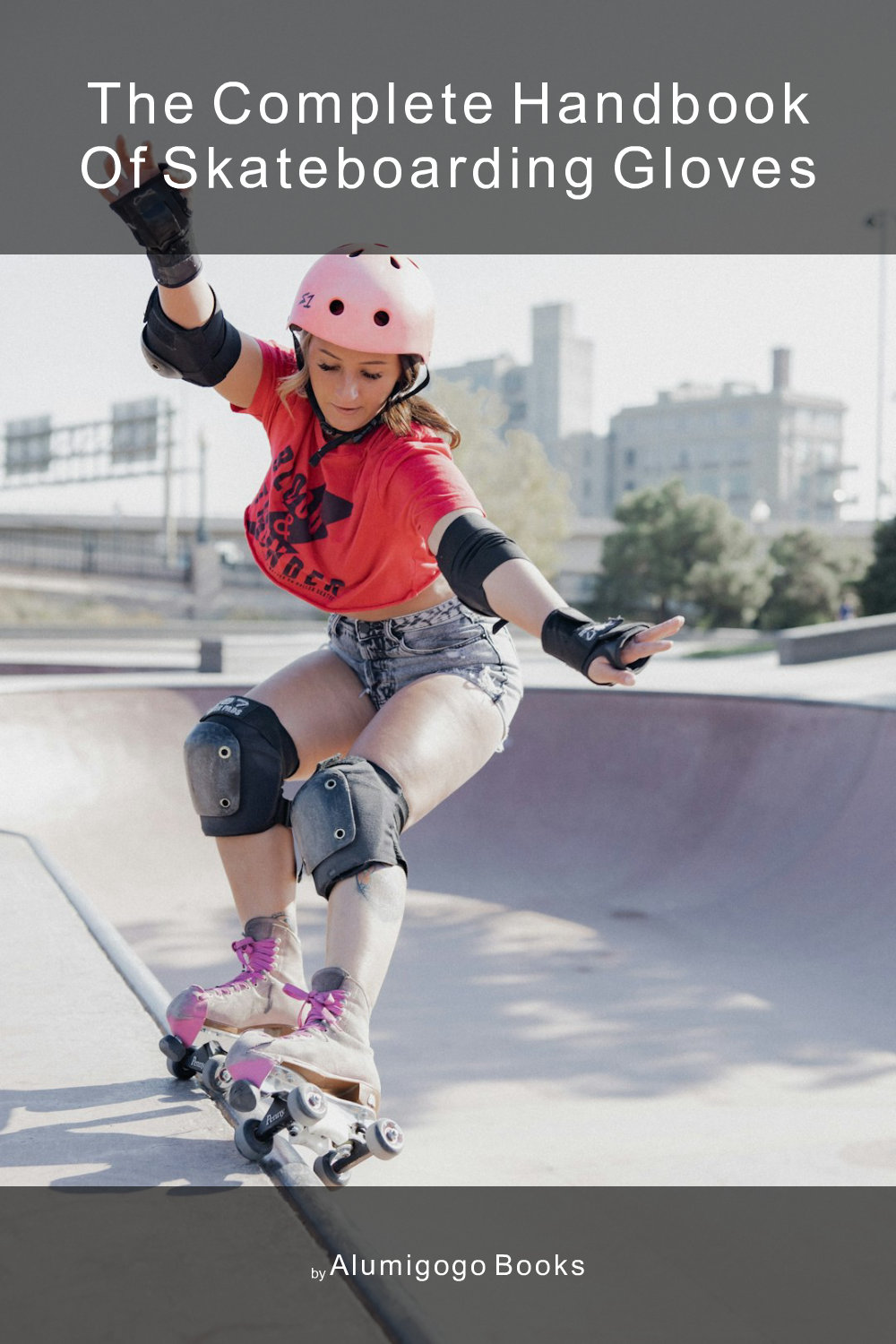
The Complete Handbook of Skateboarding Gloves
A practical reference for riders, shop owners, and manufacturers: materials, fit, protection standards, and maintenance of skateboarding gloves.
★★★★★3.5 · 4 reviewsby Alumigogo Books
non-fiction
A complete technical and practical guide to skateboarding gloves: materials, fit, protection, maintenance, and the business around them.
🔒Secure checkout via Stripe
✓30-day money-back guarantee — not right for you? Full refund, no questions asked.
Fall Festival Sale
$9
About this book
Skateboarding gloves are not an afterthought. For downhill riders, slide gloves are primary safety equipment. For park skaters, they manage abrasion against concrete. For longboard commuters, they are hand protection against unexpected falls. Yet most information about them is fragmented: a spec sheet here, a forum post there, a marketing claim somewhere else. This handbook consolidates that knowledge into one reference volume, written for people who need to make informed decisions rather than be sold to.
The book opens with a full technical grounding: what gloves are made of, how they protect, and which materials matter for which discipline. It then gives a detailed specification framework so you can compare products objectively, followed by a chapter on matching gloves to your specific use case. Later chapters cover break-in, fitting, maintenance, and troubleshooting, so you can extend the life of your gear. For the trade reader, there is a chapter on suppliers, brands, and business models, including private labeling, retail buying, and rental programs.
The final sections look at where skateboarding gloves are headed - leather supply shifts, new impact-absorbing foams, and emerging safety standards - and provide a glossary and FAQ for quick reference. If you sell them, use them, or make them, this is the handbook you keep on the workbench.
Reader Reviews
Donna Walker
★★★★★I bought this as a shop buyer and I'm still not sure it earns the title 'Complete.' The material science in Chapter 1 is genuinely useful - the bit on how different leathers wear against asphalt changed how I look at our stock. But I was hoping for more photos or at least dimensioned drawings in the specifications chapter. A table of puck hardness values is fine, but without visual reference it's a bit dry. Good for what it does, just don't expect a coffee-table book. I'll still keep a copy at the counter.
Shirley Adams
★★★★★The maintenance chapter is the standout, and honestly it saved this from two stars for me. I've been riding for years and never knew you could repress and renew a puck rather than just replacing it - that's money in the bank. However, the chapter on choosing gloves felt a bit generic. Maybe I expected more on downhill-specific setups and less on casual park riding. It's a solid reference but not the definitive word I hoped for.
Sarah Wilson
★★★★★This is the handbook I wish I'd had when I started teaching skateboarding. The first chapter grounds everything in practical reality - I finally understand why my old pair wore out on the edges and my new pair doesn't. The selection chapter aligned with the advice I give students but added the 'why' behind it. Deducting one star only because I'd love a quick-reference laminated card version for the shop. Otherwise, excellent.
Brian Harris
★★★★★As someone who runs a small skate shop and does private labeling, I found the business chapter worth the price alone. It correctly maps the budget to premium tiers and doesn't pretend every supplier is equal. I also appreciated the maintenance section - I can now offer a puck replacement service that my customers actually need. Minor gripe: the FAQ overlaps with glossaries in places. But that's a formatting nitpick. Very usable book.