The Unprofessional Guide to adenine phosphoribosyltransferase deficiency
A Plain-Language Guide for Patients and Caregivers — What You Need to Know, For Informational Purposes Only
★★★★★4.0 · 6 reviewsby Alumigogo Books
non-fiction
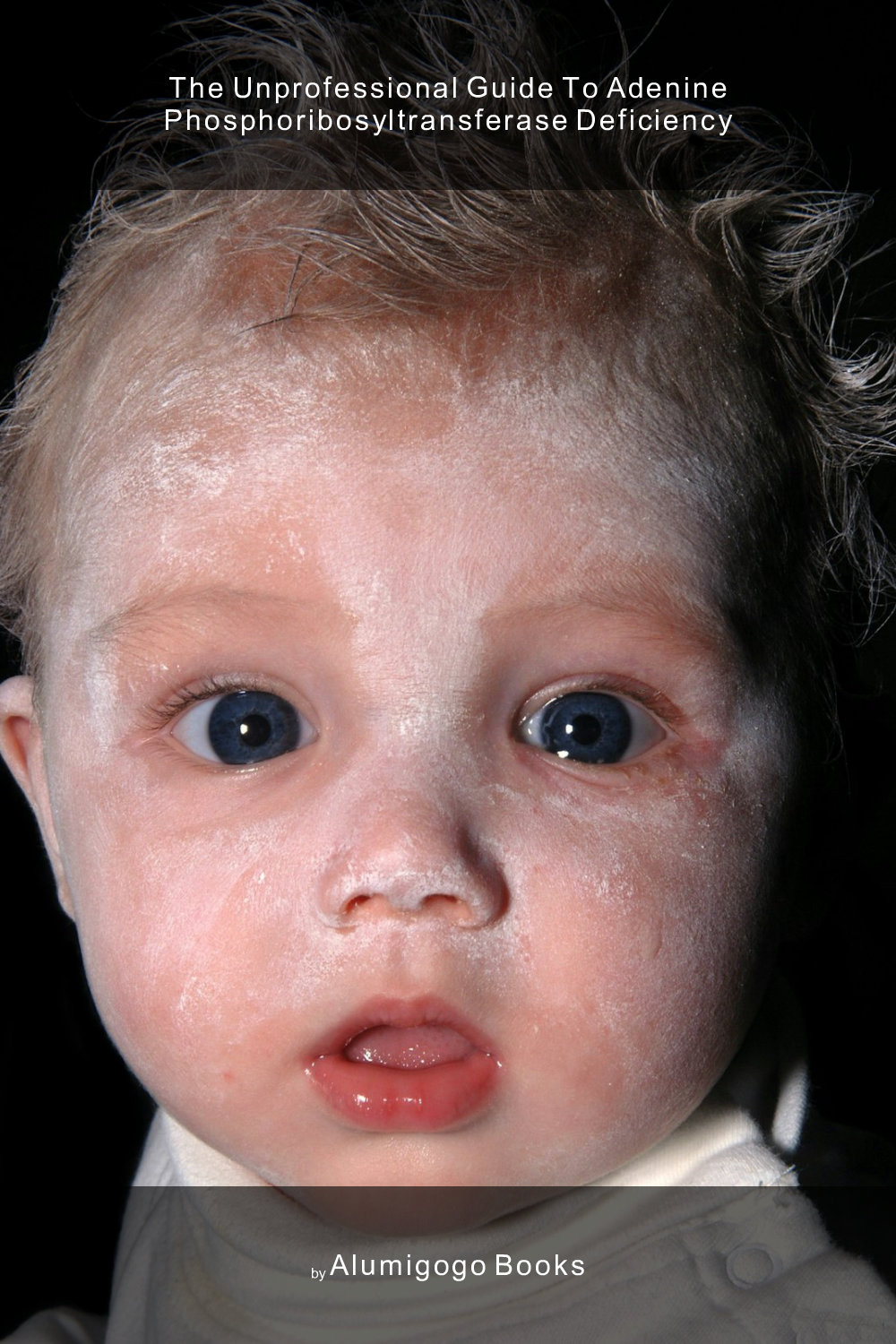
The Unprofessional Guide to adenine phosphoribosyltransferase deficiency
A Plain-Language Guide for Patients and Caregivers — What You Need to Know, For Informational Purposes Only
★★★★★4.0 · 6 reviewsby Alumigogo Books
non-fiction
You just got a scary diagnosis. This guide explains what it means, what to expect, and how to live well — in plain English, without the panic.
🔒Secure checkout via Stripe
✓30-day money-back guarantee — not right for you? Full refund, no questions asked.
Fall Festival Sale
$9
About this book
So you or someone you love has just been diagnosed with adenine phosphoribosyltransferase deficiency. The name itself sounds like a foreign language, and your doctor's explanation probably blurred into a haze of worry and unfamiliar terms. Take a breath. This guide is here to walk you through everything you need to know — not in medical-speak, but in the kind of plain, honest language you'd get from a friend who happened to study biochemistry for a few years.
You'll learn what this condition actually does inside your body, why it happens, and what it means for your day-to-day life. We'll talk about symptoms, tests, and treatments — including the trade-offs of each approach — and we'll get into the stuff doctors often forget to mention: what it's like to live with this, how to tell people about it, and how to be a caregiver without losing yourself in the process.
This is not medical advice, and it's not a substitute for talking to your care team. But it is a roadmap. It's a way to walk into your next appointment with better questions, a clearer head, and a little more courage. You didn't ask for this diagnosis. But with the right information, you can face it head-on.
Reader Reviews
Anthony Anderson
★★★★★I was completely lost after the diagnosis — the doctor used a term I couldn't even pronounce, let alone understand. This guide finally explained it in plain English. Chapter 1 alone was worth it, just to feel like I wasn't alone in the dark. It's not a cure or a miracle, but it's honest and it helped me calm down enough to actually think.
Lisa Adams
★★★★★I've read so many medical websites that left me in tears. This was the first thing that felt like it was written for me, not for a medical student. The chapter on day-to-day life was spot on, and I brought the questions from Chapter 8 to my last appointment. My doctor was actually impressed. I feel like I have some control back.
Nicholas Sanchez
★★★★★It's fine, and I appreciate the effort, but I wanted more detail on the genetics side of things. The first chapter is a good intro if you're totally new, but I had already done my own research. It's reassuring and I like the tone, but honestly, I needed more hard science to feel truly equipped.
Jessica White
★★★★★When my son was diagnosed, I felt like the world stopped. This guide was a lifeline. The caregiver chapter especially helped me understand how to support him without drowning myself. It's practical, honest, and didn't sugarcoat anything — but it also gave me hope. I've since bought copies for both of our parents.
Richard Robinson
★★★★★A genuinely helpful read. I'd been to three different doctors and still felt confused. The symptom table in Chapter 3 was particularly useful for me to understand what was normal and what was worth worrying about. It's not flashy, but it's exactly what I needed. I just wish I'd had it on the day I got the diagnosis instead of a week later.
Gary Lee
★★★★★I'm usually skeptical of these patient guides because they're either too fluffy or too clinical. This one is decently balanced, but it felt a bit repetitive in places across the chapters. That said, the treatment comparison table in Chapter 5 was genuinely helpful for a conversation I had with my nephrologist. Worth a look, just don't expect it to replace real medical advice.