The Unprofessional Guide to autosomal dominant sensory ataxia 1
A Plain-Language Guide for Patients and Caregivers — What You Need to Know, What to Expect, and How to Cope (For Informational Purposes Only)
★★★★★3.6 · 5 reviewsby Alumigogo Books
non-fiction
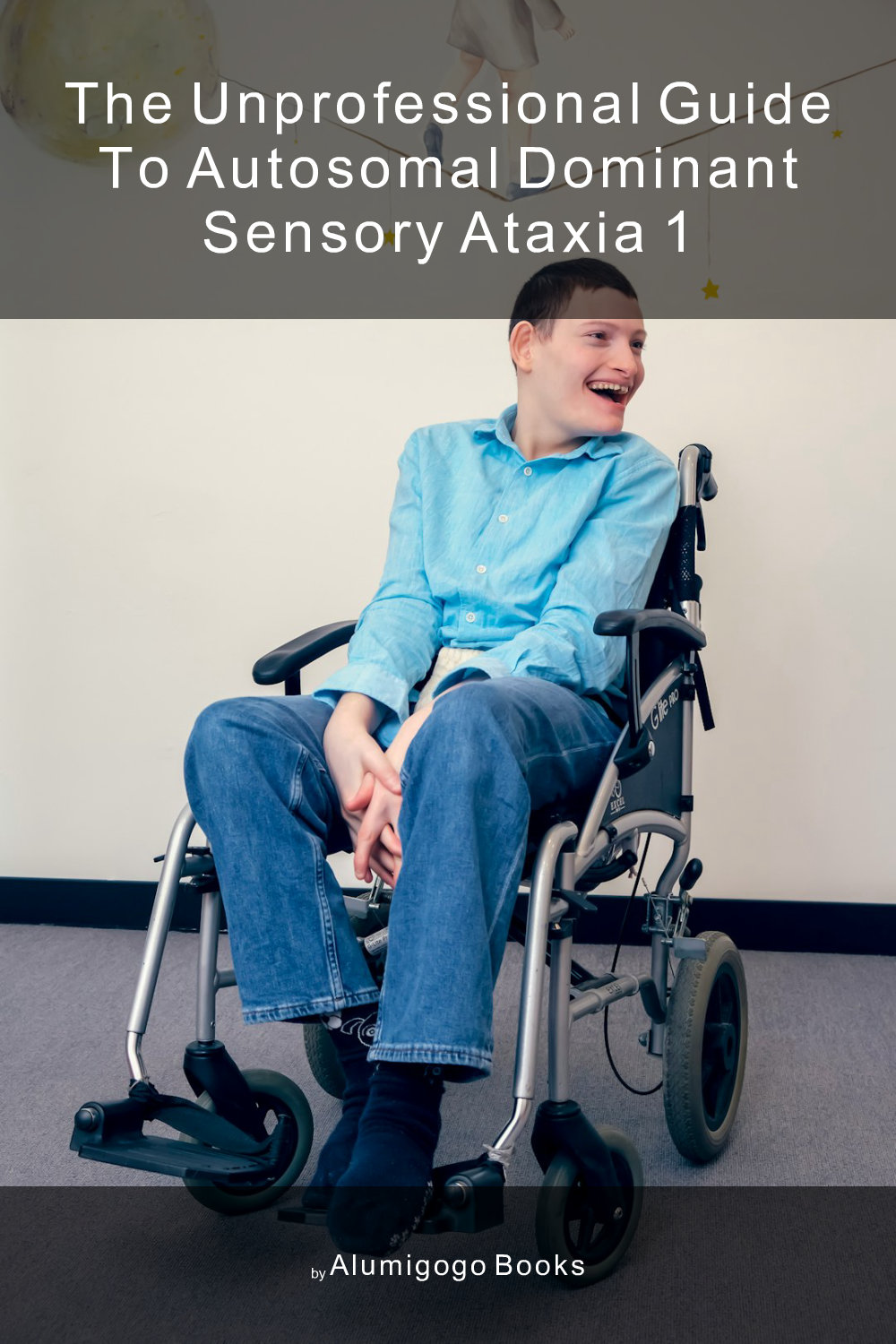
The Unprofessional Guide to autosomal dominant sensory ataxia 1
A Plain-Language Guide for Patients and Caregivers — What You Need to Know, What to Expect, and How to Cope (For Informational Purposes Only)
★★★★★3.6 · 5 reviewsby Alumigogo Books
non-fiction
You just got a scary diagnosis. This guide tells you what it means, what happens next, and how to live well. No jargon. No panic. Just honest, practical information.
🔒Secure checkout via Stripe
✓30-day money-back guarantee — not right for you? Full refund, no questions asked.
Fall Festival Sale
$9
About this book
So you — or someone you love — just got diagnosed with autosomal dominant sensory ataxia 1. The name is a mouthful. The doctor's explanation probably flew past you while your brain was still stuck on the word "ataxia." And the internet? Well, the internet is a terrifying place when you don't know what you're looking for.
This guide is the book you wish your doctor had handed you. Written in warm, plain language, it walks you through what this condition actually does in your body — how it affects your nerves, your balance, and your ability to feel the world through your hands and feet. You'll learn why it happened, what symptoms to expect, how the diagnosis was confirmed, and what your treatment options really are — with honest trade-offs, not sales pitches.
But this isn't just a medical textbook in disguise. It's also a survival guide for your new reality. You'll find practical advice on managing day-to-day life, navigating work and relationships, and supporting a loved one without burning out. There's even a chapter full of questions to ask your doctor — because you shouldn't have to remember everything they said through the fog of anxiety. This guide is not medical advice, but it is the caring, honest companion you need after a life-changing diagnosis.
Reader Reviews
John Jackson
★★★★★I sat in my car in the hospital parking lot after my diagnosis and just stared at the dashboard. This guide was like a friend sitting next to me saying, 'Okay, let's break this down.' Chapter 1 alone made me feel less terrified — it explains what's happening in your body without drowning you in medicalese. It's not rainbows and sunshine, but it's honest, and I really needed that honesty.
Amanda Martin
★★★★★The book is helpful overall, and I genuinely appreciated the warm tone. But it left me wanting more specifics in Chapter 1 about how the condition progresses over years — I know everyone is different, but I wanted a bit more detail. That said, the chapter on questions to ask your doctor was solid, and I brought the list to my first neurology appointment. It helped me not freeze up.
Susan Lewis
★★★★★I bought this for my dad, who was recently diagnosed. I read it first, and the chapter 'If You're the Caregiver' nearly made me cry — it was like someone finally acknowledged what I was going through too. Chapter 1 is a bit basic for anyone who's already read up on the condition, but as a starting point for a newly diagnosed person, it's perfect. It's written for your average scared human, not a med student.
Jennifer Scott
★★★★★As someone who just got diagnosed at 47, I needed a guide that didn't treat me like an idiot but also didn't assume I had a medical degree. This strikes that balance perfectly. The explanation in Chapter 1 about why I can't feel my hands properly anymore finally made sense. I've underlined half of it and have started to feel less alone.
Jeffrey Robinson
★★★★★I'm a wife, a mother of three, and the daughter of a man with this condition. When my husband was diagnosed last month, I panicked. This book helped me get grounded. The honest talk about what's unknown and the practical advice about daily life were exactly what I needed. Not a miracle cure, but a way forward. I've already recommended it to our family doctor to share with other patients.