The Unprofessional Guide to cerebrooculofacioskeletal syndrome
What You Need to Know — A Plain-Language Guide for Patients and Caregivers (For Informational Purposes Only)
★★★★★4.0 · 3 reviewsby Alumigogo Books
non-fiction
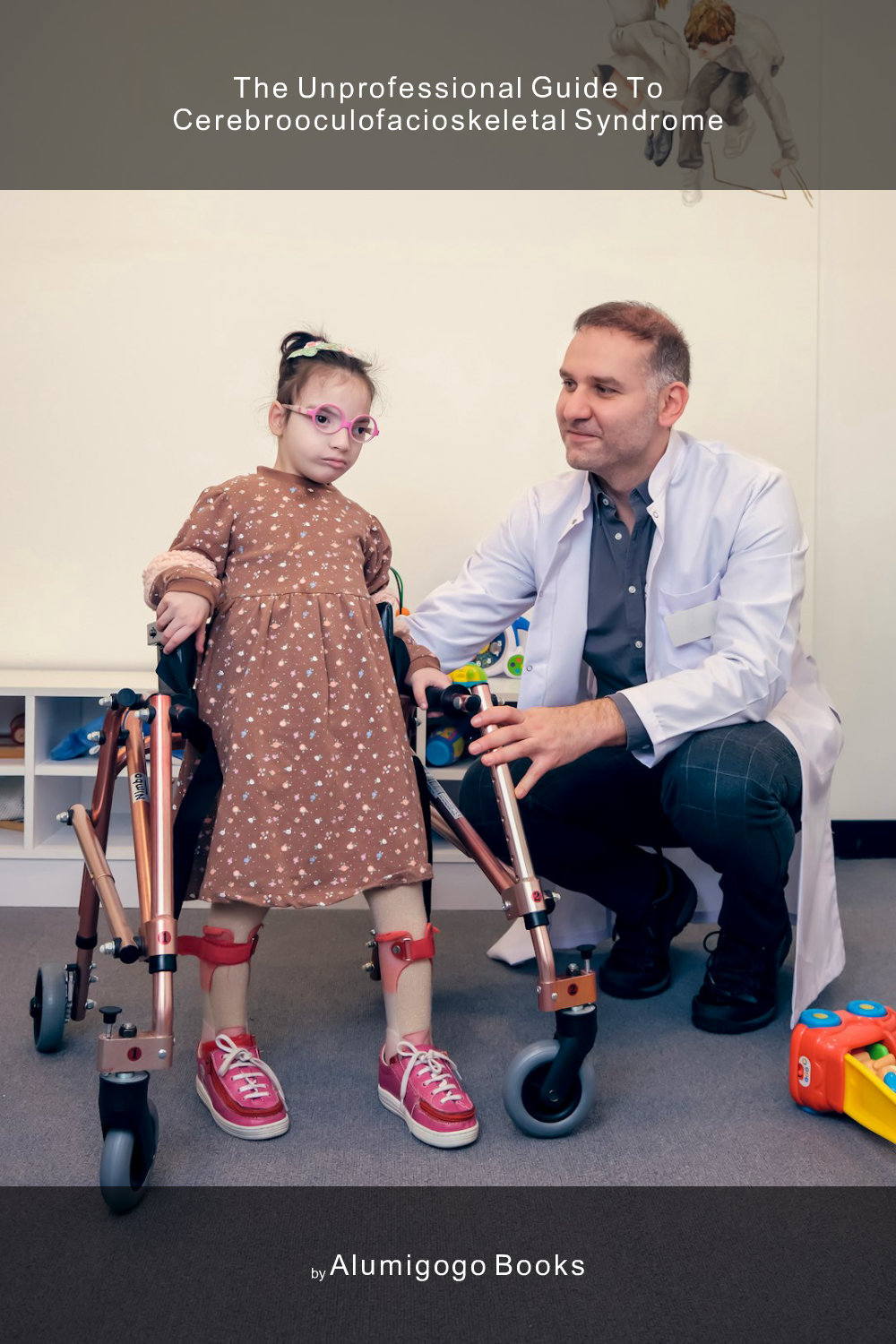
The Unprofessional Guide to cerebrooculofacioskeletal syndrome
What You Need to Know — A Plain-Language Guide for Patients and Caregivers (For Informational Purposes Only)
★★★★★4.0 · 3 reviewsby Alumigogo Books
non-fiction
A plain-language life raft for anyone facing a cerebrooculofacioskeletal syndrome diagnosis. No jargon, no panic — just what you need to know.
🔒Secure checkout via Stripe
✓30-day money-back guarantee — not right for you? Full refund, no questions asked.
Fall Festival Sale
$9
About this book
You just got a diagnosis you can barely pronounce, let alone understand. Cerebrooculofacioskeletal syndrome (COFS) is a rare, complex genetic disorder that affects the brain, the eyes, the face, and the skeleton. But what does that actually mean for your life — or your child's life — starting tomorrow?
This is not a textbook. It's a friend who knows too much about medicine sitting down with you over coffee. We'll explain what's happening in the body in plain language, walk you through the genetics without making your eyes glaze over, and help you make sense of the symptoms, the tests, and the treatment options. We'll also talk about the hard stuff: what to say to family, how to sleep at night, and how to cope when the future is uncertain.
Written for informational purposes only — this is not medical advice — this guide gives you the vocabulary you need to speak confidently with your medical team. It's the book you wish your doctor had handed you before you left the office.
Reader Reviews
Melissa Nelson
★★★★★This was the first thing I read after my daughter's diagnosis that didn't make me feel like I was drowning in a dictionary. Chapter 1 alone — just explaining what the syndrome actually is in words I could understand — was worth the price of the book. I cried, then I took a breath, then I finally felt like I could pick up the phone and talk to my doctor without sounding like a fool. It's not preachy, it's not doom-and-gloom, it's just honest and warm. I've already read the caregiver chapter three times.
Steven Jones
★★★★★I'm a dad, not a patient, and this was a huge help for me. The genetics chapter finally made it clear why this wasn't my fault or my wife's fault — that alone calmed me down more than I can say. The symptom chart in Chapter 3 was a lifesaver at our last appointment; I actually knew what to ask about. I took off one star because I wish it had a bit more depth on the day-to-day physical therapy routines, but for what it is — a plain-language guide — it's honestly unbeatable. I've loaned it to a neighbor whose grandkid just got diagnosed.
Jessica Ramirez
★★★★★It's okay, but I went in expecting a bit more. The book does a good job of explaining the basics — I understand the genetics now, which is more than I could say before. But I felt like some chapters were a little sparse on the hard specifics, especially around the later-stage symptoms. I know they said it's not medical advice, but I guess I wanted more 'what happens next' detail. Still, the last chapter with the questions to ask your doctor is genuinely useful; I photocopied those pages and took them to the clinic with me. Not perfect, but it helped.