The Unprofessional Guide to hypotonia, ataxia, and delayed development syndrome
What You Need to Know — A Plain-Language Guide for Patients and Caregivers (For Informational Purposes Only)
★★★★★3.6 · 7 reviewsby Alumigogo Books
non-fiction
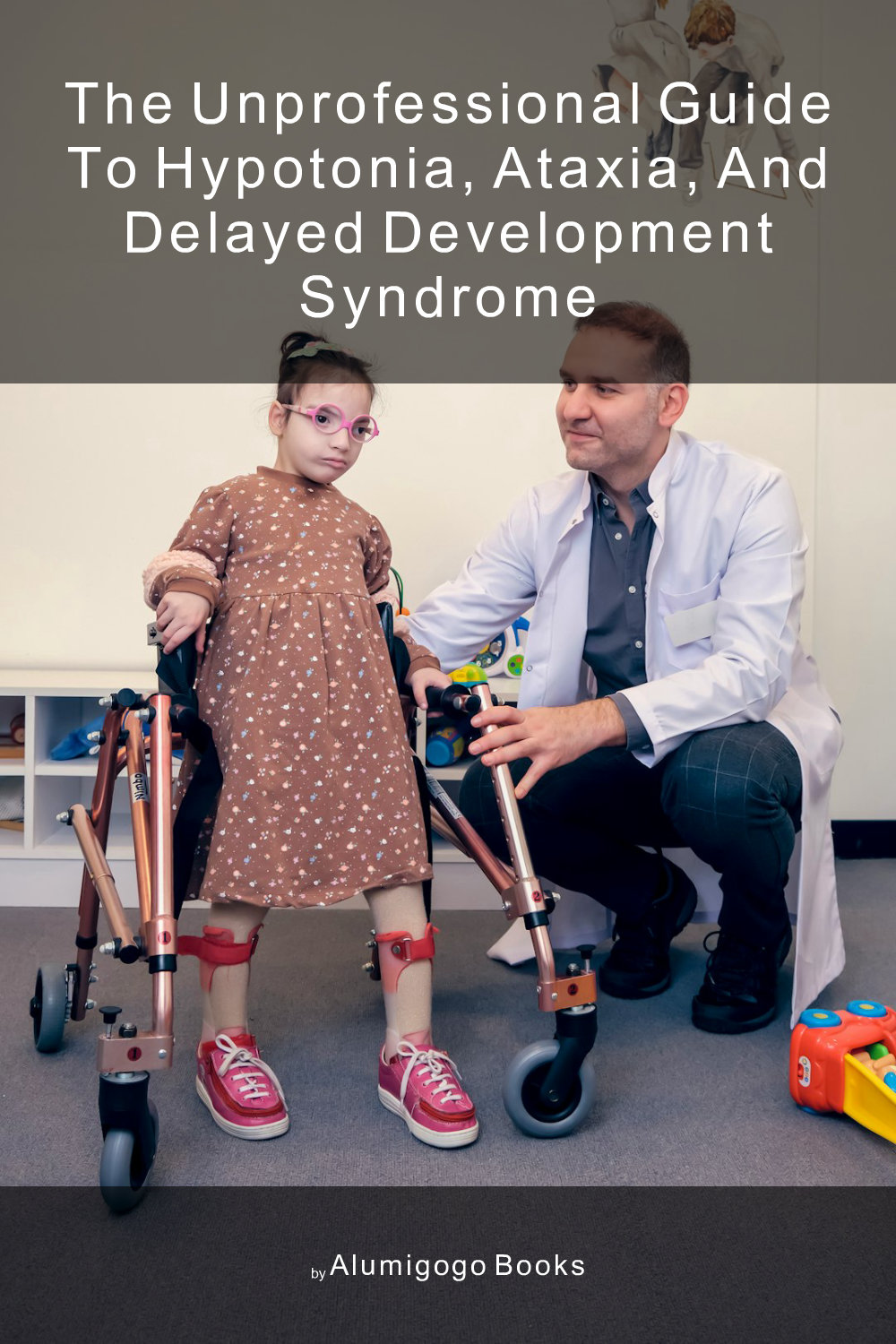
The Unprofessional Guide to hypotonia, ataxia, and delayed development syndrome
What You Need to Know — A Plain-Language Guide for Patients and Caregivers (For Informational Purposes Only)
★★★★★3.6 · 7 reviewsby Alumigogo Books
non-fiction
The plain-language, no-nonsense guide to understanding hypotonia, ataxia, and delayed development syndrome — for patients and caregivers who need real answers.
🔒Secure checkout via Stripe
✓30-day money-back guarantee — not right for you? Full refund, no questions asked.
Fall Festival Sale
$9
About this book
You just heard the words "hypotonia, ataxia, and delayed development syndrome" and your brain stopped. Maybe it was for your child. Maybe it was for you. Either way, the room went quiet, and now you're left with a diagnosis that sounds more like a Latin conjugation than a medical explanation. This guide is here to translate.
Written for real people — not medical students — this book breaks down exactly what hypotonia (low muscle tone), ataxia (uncoordinated movement), and delayed development (milestones taking longer) actually mean for your day-to-day life. It covers the honest truth about causes (including when the cause is unknown), what symptoms to expect and which ones to worry about, how to get the best care, and practical advice for living — not just surviving — while managing this condition. Whether you're the patient, the parent, or the partner, this guide gives you the language you need to advocate for yourself or your loved one.
With clear explanations, ready-made questions for your doctor, and honest talk about the hard parts, this is the book you wish they handed you in that clinic office. It's not medical advice — it's informational support. And it's here to help you breathe a little easier.
Reader Reviews
Brian Ramirez
★★★★★It's decent. My daughter was diagnosed last year and this book did help me understand the basics without needing a medical degree. Chapter 1 about what's actually happening in the body was the most useful part. I took off a star because I wish it had more specifics on physical therapy exercises. Overall helpful, but not the complete answer I was hoping for.
Joshua Hernandez
★★★★★Pretty good read honestly. The tone is nice — not like talking to a robot. I'm the one with the diagnosis actually, not my kid. It's weird finally having a name for everything. This guide probably helped my wife more than it helped me, since I've been living with all the symptoms for years. Worth picking up if you're new to all of this.
Margaret Robinson
★★★★★This book is fine. I've read a lot of guides since my grandson's diagnosis and this one is written in a way that's easy to follow. It's not super deep or anything, but it answered some basic questions. I appreciated that it didn't promise miracles. Caveat: check the questions in Chapter 8 actually apply to your situation, because not all doctors are the same.
John Taylor
★★★★★I'm a caregiver for my brother who has this syndrome. The book is a good starting point — especially the section about the difference between alarming symptoms and just normal progression. It gave me some peace of mind, which was probably worth it by itself. It drags a little in the middle chapters but it's a solid resource overall.
Donald King
★★★★★Genuinely helpful book. When my son was diagnosed I was a wreck and this was the first thing that made sense. I loved that Chapter 1 actually explains what the condition IS, not just symptoms. The caregiver chapter hit different — it made me realize I needed to take care of myself too. Highly recommend if you're in those early scary weeks.
Sharon Baker
★★★★★I bought this for my sister after she was diagnosed in her thirties. It helped our whole family get on the same page. The honest talk about unknown causes in Chapter 2 really helped her stop blaming herself — that alone was worth it. It's not a medical book, it's more like a friend who explains things clearly. Good buy.
Timothy Garcia
★★★★★This guide has been my lifeline since we got the diagnosis for our little girl. Chapter 1 made me cry, but in a good way — I finally understood what was happening and felt like someone was speaking TO me, not AT me. The symptom table in Chapter 3 is printed and taped to our fridge. Just knowing that we're not alone is priceless. Absolutely essential for new patients and caregivers.