The Unprofessional Guide to ICHAD syndrome
What You Need to Know About ICHAD Syndrome — A Plain-Language Guide for Patients and Caregivers (Informational Purposes Only, Not Medical Advice)
★★★★★3.9 · 7 reviewsby Alumigogo Books
non-fiction
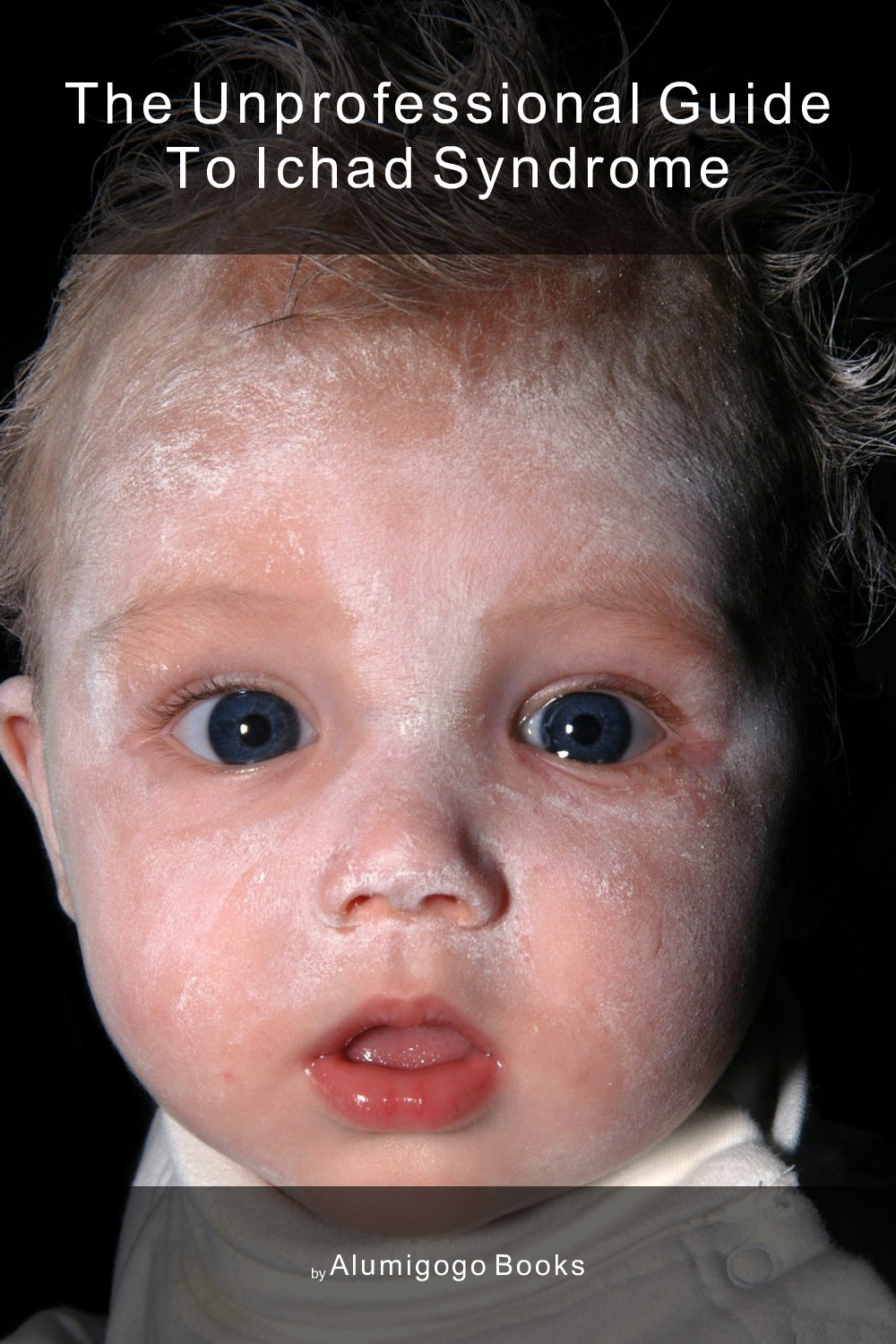
The Unprofessional Guide to ICHAD syndrome
What You Need to Know About ICHAD Syndrome — A Plain-Language Guide for Patients and Caregivers (Informational Purposes Only, Not Medical Advice)
★★★★★3.9 · 7 reviewsby Alumigogo Books
non-fiction
You just got diagnosed with ICHAD syndrome. This guide helps you understand it, cope with it, and live with it — in plain language.
🔒Secure checkout via Stripe
✓30-day money-back guarantee — not right for you? Full refund, no questions asked.
Fall Festival Sale
$9
About this book
So, you've just been told you have ICHAD syndrome. Your doctor used words that sounded like another language, handed you a pamphlet with no substance, and sent you home with a head full of questions and a knot in your stomach. You're scared, confused, and maybe a little angry. That's completely normal. This guide is here to change that.
This is not a medical textbook. It's not written for doctors or researchers. It's written for you. We'll break down what ICHAD syndrome actually is, what it means for your body, and why you might have gotten it (while also giving you permission to stop blaming yourself if no one has a definite answer). We'll walk you through every symptom you might feel, every test you might face, and every treatment option on the table — laying out the trade-offs honestly so you can make informed choices without feeling pressured.
Beyond the medical facts, this guide is about living. You'll find practical advice on everything from what to eat and how to sleep, to what to tell your coworkers and how to navigate relationships. There's a whole chapter for the caregivers, who often need just as much support as the patient. And it ends with a ready-to-use list of questions to bring to your next doctor's appointment, so you never feel stuck or unsure again. This is your roadmap. You can do this.
Reader Reviews
Brian Ramirez
★★★★★It's fine, but I found the tone a bit too casual for my taste. I get that it's meant to be friendly, but sometimes I just wanted the facts. The chapter on getting diagnosed was helpful, though, and I did bring the question list to my specialist appointment. It's a good resource, but not my perfect fit.
Lisa Robinson
★★★★★As a caregiver, the chapter for me was a lifesaver. It made me realize I was burning out and gave me permission to look after myself. My husband (the patient) loved the clear explanations, and it really helped us talk about his symptoms together. I wish the book was longer, but what's here is gold.
Thomas Lewis
★★★★★I read this the night after my diagnosis and for the first time in 48 hours I could breathe. The chapter explaining what ICHAD actually is, without all the doctor-speak, was exactly what I needed. It didn't sugarcoat anything, but it made me feel like I wasn't alone and that I could handle the next step. I've already bought copies for my parents.
John Flores
★★★★★Good, honest guide. I appreciated that it didn't give false hope, but it was also practical about what I might feel. The day-to-day living chapter was useful, especially the advice on what to tell coworkers. I docked a star because I wanted a bit more detail on the rarer symptoms, but overall, a solid starting point for anyone in the same boat.
Betty Jones
★★★★★This book is a blessing. When my daughter was diagnosed, I was lost. This guide explained everything from the biology to the practical stuff, like what to say to her teachers. The section for caregivers made me feel seen and understood. It doesn't promise miracles, but it promises clarity, and that's what I needed most.
Emily Davis
★★★★★It was okay, a bit basic for me in parts. I understand it's for laypeople, but I felt the section on treatment options was a little too general. That said, the honest talk about why I might have gotten this — and how it wasn't my fault — was very comforting. A decent read for the early days of diagnosis.
Matthew Davis
★★★★★I'm not a big reader, but I finished this in a weekend. It's broken up well and doesn't feel like a chore. The plain-language bit is real; my doctor was impressed with my questions at the follow-up. It's light on the false hope, which I respect. Good for anyone who wants to feel a bit more in control.