The Unprofessional Guide to neurodevelopmental disorder with behavioral abnormalities and childhood-onset spastic paraplegia
What You Need to Know — For Informational Purposes Only. A Plain-Language Guide for Patients and Caregivers facing neurodevelopmental disorder with behavioral abnormalities and childhood-onset spastic paraplegia.
★★★★★4.4 · 5 reviewsby Alumigogo Books
non-fiction
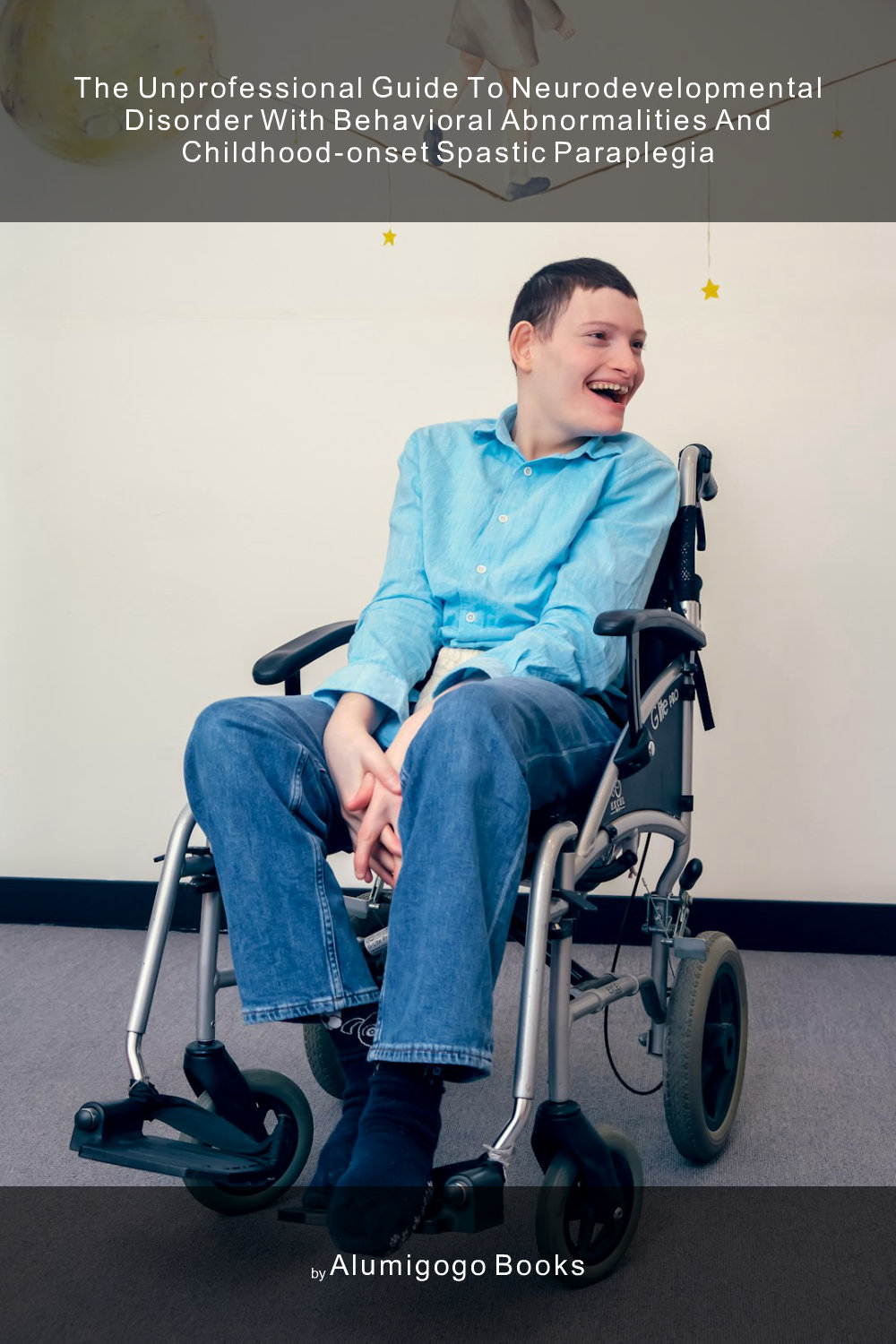
The Unprofessional Guide to neurodevelopmental disorder with behavioral abnormalities and childhood-onset spastic paraplegia
What You Need to Know — For Informational Purposes Only. A Plain-Language Guide for Patients and Caregivers facing neurodevelopmental disorder with behavioral abnormalities and childhood-onset spastic paraplegia.
★★★★★4.4 · 5 reviewsby Alumigogo Books
non-fiction
You just got a diagnosis that sounds terrifying. This guide explains what it really means, what to expect, and how to cope.
🔒Secure checkout via Stripe
✓30-day money-back guarantee — not right for you? Full refund, no questions asked.
Fall Festival Sale
$9
About this book
Someone just told you that you or your child has neurodevelopmental disorder with behavioral abnormalities and childhood-onset spastic paraplegia. It's a mouthful, it sounds frightening, and you probably have a thousand questions. What does it mean? What caused it? What happens now? This guide is here to answer those questions in plain, honest language — no jargon, no judgment, and no pretending things are easier than they are.
Written like advice from a knowledgeable friend, this book walks you through the diagnosis from the very beginning: what's actually happening in the body, how the condition progresses, what treatments exist, and how to live with it day to day. It covers the practical stuff too — what to tell people, how to handle appointments, and how caregivers can support someone without burning out. Every page is designed for someone who has just had their world turned upside down and needs clarity, not confusion.
This is not medical advice and it won't replace your doctor. But it will help you walk into that next appointment knowing what to ask, what to expect, and how to advocate for yourself or your loved one. You're not alone in this, and having the right information makes a real difference.
Reader Reviews
Lisa Martinez
★★★★★My 8-year-old daughter was just diagnosed and I spent three days crying in front of my computer before finding this. The first chapter alone was worth it — it finally explained what the actual words mean without making me feel stupid. I've read it twice already and I'm not as scared as I was. It's like having a friend who knows medicine sit next to you and hold your hand while explaining everything.
Jennifer Baker
★★★★★This is genuinely helpful, though I wish it had gone into a bit more detail on some of the later stages. The chapter on what to ask your doctor was a lifesaver for our first specialist appointment — I walked in with a printed list of questions instead of staring blankly. I gave it four stars because it's not a substitute for a medical professional, but honestly, nothing is. Worth the money for the clarity it brought.
Jason Gonzalez
★★★★★My brother was diagnosed last month and this book helped me understand what he's going through in a way that the doctors never explained. The parts about why it happens and how to stop blaming yourself hit me hard — I'd been wondering if something in our childhood caused it. Reading that it's genetic and nothing we did helped more than I can say. This guide is a gift for families trying to make sense of a confusing situation.
Jennifer Nguyen
★★★★★I got this for my husband who was diagnosed at 34, after a lifetime of strange symptoms that nobody ever connected. He said the first chapter felt like someone finally told his story in a way he could understand. We both read it and now we're actually having conversations about the future that don't end in tears. The caregiver chapter is a must-read too — it's the only thing that made me feel like I wasn't drowning.
Betty Clark
★★★★★It's okay, I suppose. The information is solid and the plain language really does help, but I expected more about treatment specifics and less about the emotional side. My daughter's case is pretty advanced, and this felt a bit too introductory for where we are. Still, if you're newly diagnosed, this is a decent starting point. Just don't expect it to answer every question — no guide can do that.